
Mutualism Drawing
Mutualism Drawing - It is a symbiotic relationship in which two different species interact with and in some cases, totally rely on one another for survival. Paramecium bursaria is a ciliate that engulfs unicellular green algae into vacuoles within its cell. The paramecium certainly benefits from the food synthesized by the alga. Mutualistic arrangements are most likely to develop between organisms with widely different living requirements. Web mutualism is a type of symbiotic relationship where all species involved benefit from their interactions. Mutualism occurs when both species in this interaction benefit. Web mutualism describes a type of mutually beneficial relationship between organisms of different species. The termite benefits from the ability of the protists to digest cellulose. There are hundreds of examples of mutualism between a heterotroph and an alga. Now you have seen lots of examples of how mutualism works in real life. Predation includes any interaction between two species in which one species benefits by obtaining resources from and to the detriment of the other. This resource addresses the following standards: An interaction in which one organism is consumed by another Paramecium bursaria is a ciliate that engulfs unicellular green algae into vacuoles within its cell. Mutualisms have shaped evolution in many. 57.1 w x 78.7 h x 2.4 d in A symbiotic relationship between two species in which both partners benefit: Web how does this resource excite and engage children's learning? Predation, competition, mutualism, commensalism and amensalism. A mutualism occurs when two species benefit from their interaction. Mutualism is a type of relationship between the host and a symbiont, where both organisms benefit and no one is harmed. Mutualistic arrangements are most likely to develop between organisms with widely different living requirements. Web mutualism is an anarchist school of thought and economic theory that advocates for workers' control of the means of production, a market economy made. An interaction in which one organism is consumed by another Challenge your students to match together the organisms that demonstrate mutualism. Web a mutualism (or mutualistic symbiosis) is a relationship between two or more organisms, where each partner benefits from living with the other. A mutualism occurs when two species benefit from their interaction. Mutualism occurs when both species in. So let's first talk about competition which we have already talked about in other videos. Julius csotonyi in this session where he’ll be teaching you how to draw this amazing perennial plant and this fascinating. This resource addresses the following standards: Web mutualism is a term used to describe a symbiotic relationship between two or more different species. Web mutualism. These types of interaction are common and ubiquitous throughout all ecosystems, and scientists are increasingly recognizing the important role that they play. The term mutualist is used to indicate the small partner and the host are the other partners present in the mutualism. Mutualism is a type of relationship between the host and a symbiont, where both organisms benefit and. Mutualism occurs when both species in this interaction benefit. Mutualisms have shaped evolution in many ways, for example, animal and plant cells arose from a mutualism between different bacteria, with one forming the main cells and the other forming organelles. While mutualism is highly complex, it can be roughly broken down into two types of relationship. 57.1 w x 78.7. Mutualism is a type of relationship between the host and a symbiont, where both organisms benefit and no one is harmed. Web the benefit to the ant is that the fungus is food. Web mutualism is a sort of symbiosis. A symbiotic relationship between two species in which one benefits and the other is harmed Web in biology, mutualism is. Web mutualism is an anarchist school of thought and economic theory that advocates for workers' control of the means of production, a market economy made up of individual artisans and workers' cooperatives, and occupation and use property rights. Web mutualistic interactions are mutually beneficial species interactions. While mutualism is highly complex, it can be roughly broken down into two types. A mutualism occurs when two species benefit from their interaction. Other types of symbiotic relationships include parasitism (where one species benefits and the other is. Now you have seen lots of examples of how mutualism works in real life. In this picture here, do you see competition? Web in biology, mutualism is defined as an ecological relationship between two or. A symbiotic relationship between two species in which one benefits and the other is harmed Web mutualism describes the ecological interaction between two or more species where each species has a net benefit. Mutualism examples show unique relationships where organisms work together for mutual benefit. Other types of symbiotic relationships include parasitism (where one species benefits and the other is. A symbiotic relationship between two species in which both partners benefit: Paramecium bursaria is a ciliate that engulfs unicellular green algae into vacuoles within its cell. Web mutualism is a close, symbiotic relationship that mutually benefits two different species present in an ecosystem. The paramecium certainly benefits from the food synthesized by the alga. An interaction in which one organism is consumed by another Web how does this resource excite and engage children's learning? This resource addresses the following standards: Julius csotonyi in this session where he’ll be teaching you how to draw this amazing perennial plant and this fascinating. Mutualism is a type of relationship between the host and a symbiont, where both organisms benefit and no one is harmed. While mutualism is highly complex, it can be roughly broken down into two types of relationship. Web by classifying these effects, ecologists have derived five major types of species interactions: Now you have seen lots of examples of how mutualism works in real life.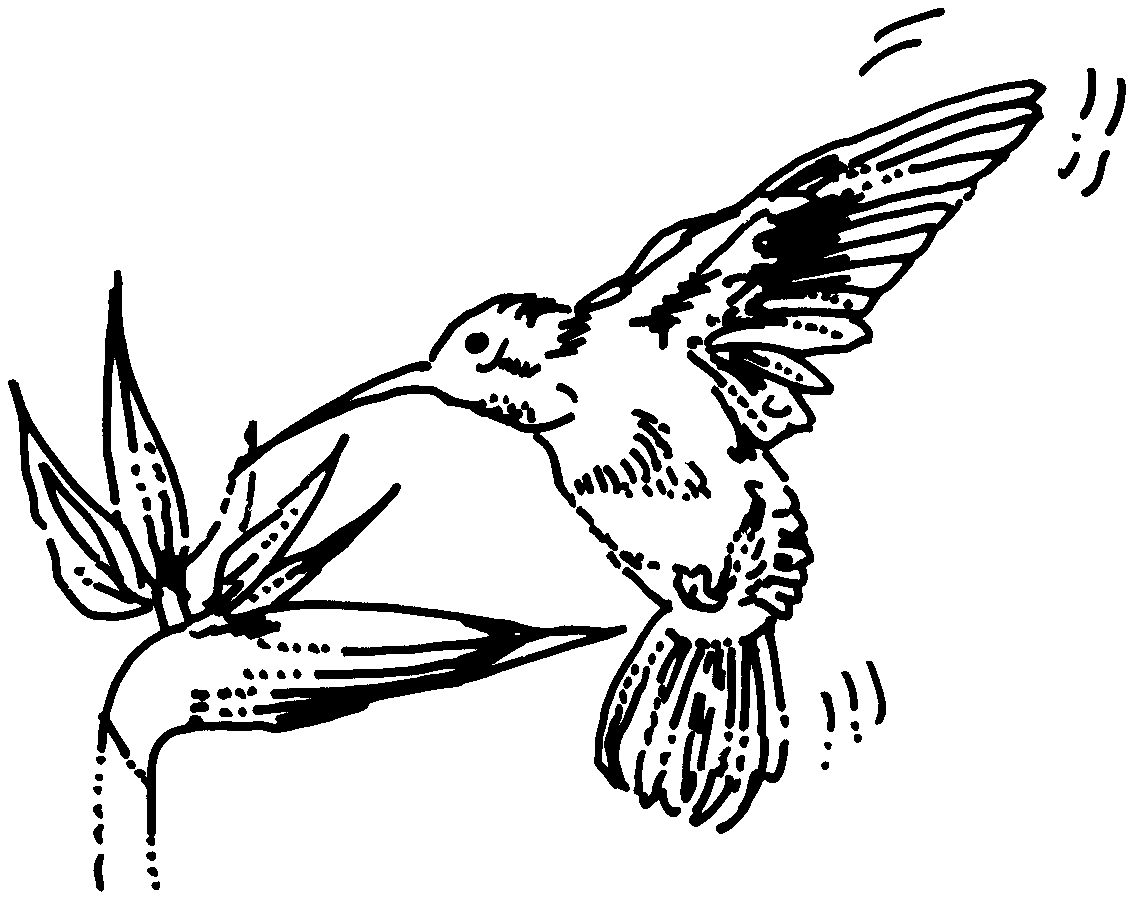
Mutualism Coloring Page Coloring Pages

Learn to Draw Mutualism Ghost Pipes and Tube Worms Sierra Club BC
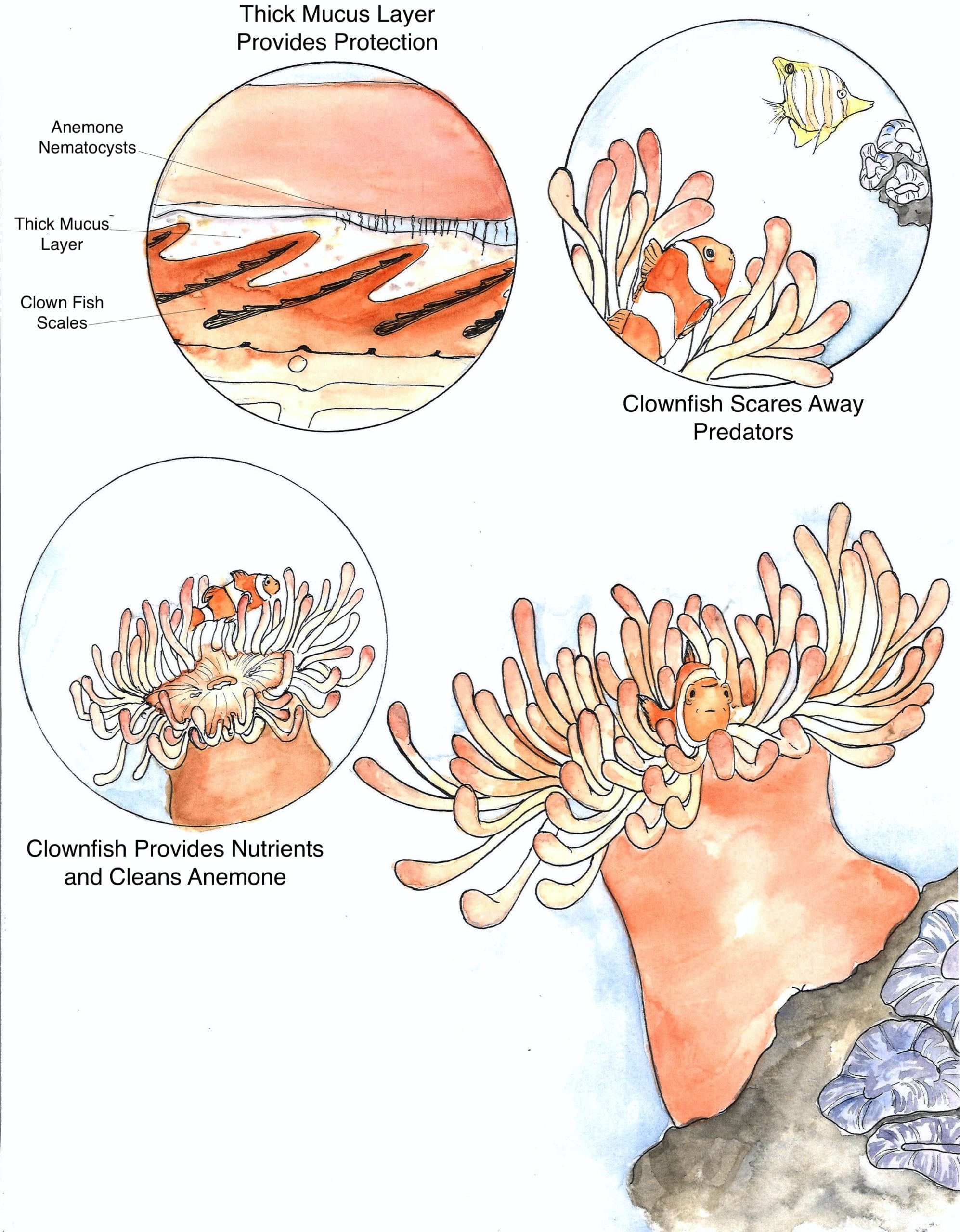
The sea anemone and the clownfish have a mutually beneficial
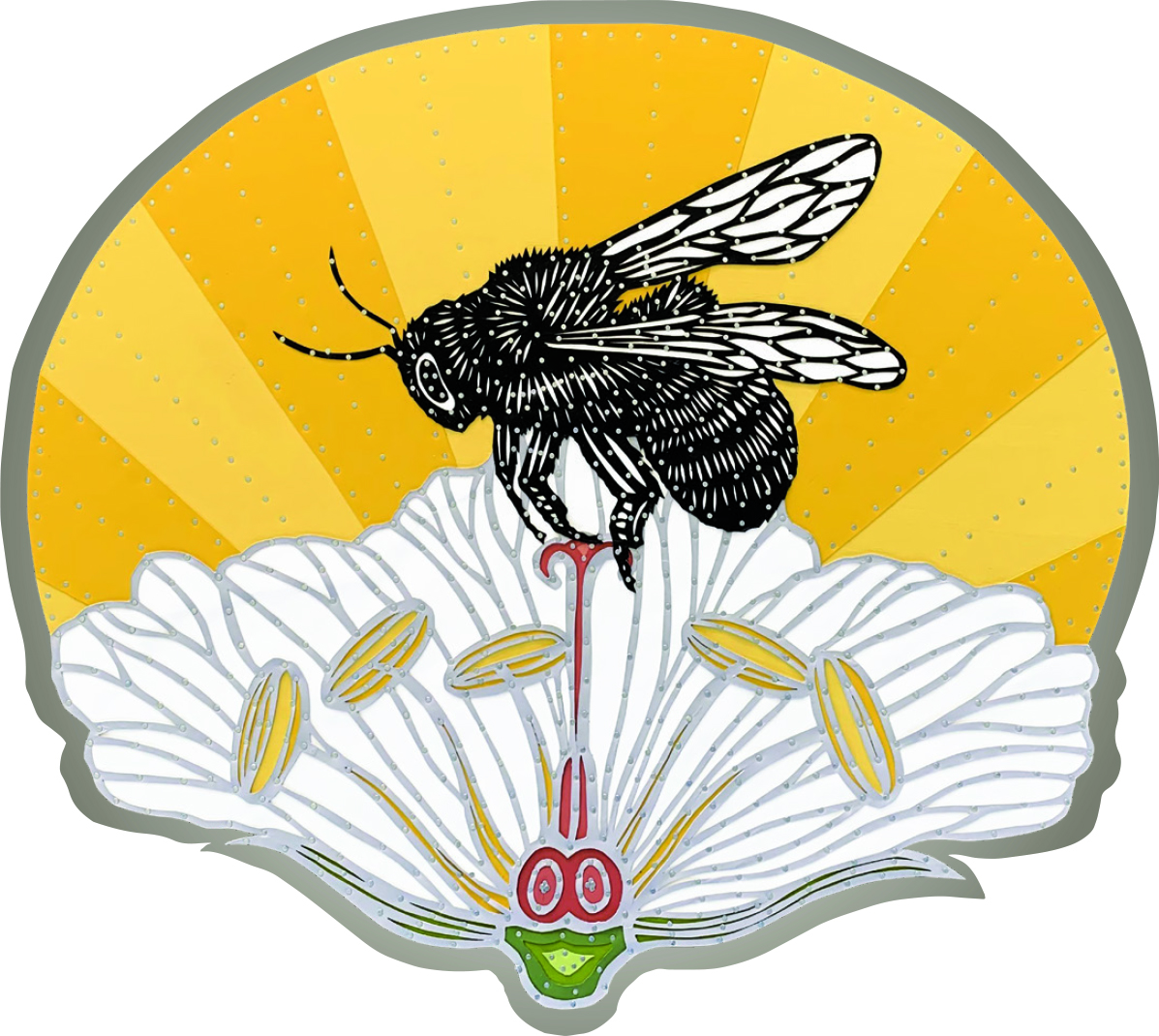
20_2018_Mutualism Art+Science

Mutualism MUTUALISM Mojave Desert Glossary of Terms and

Mutualism — Definition & Examples Expii

Mutualism Symbiosis Mutualism Art Prints by Bonita Nurdiyanto Shop

Learn to Draw Mutualism Ghost Pipes and Tube Worms Sierra Club BC

Coevolution in a Mutualism Science illustration, Mutualism, Illustration

Mutualism Coloring Page Coloring Pages
Web Mutualism Is An Anarchist School Of Thought And Economic Theory That Advocates For Workers' Control Of The Means Of Production, A Market Economy Made Up Of Individual Artisans And Workers' Cooperatives, And Occupation And Use Property Rights.
Web Mutualism Describes A Type Of Mutually Beneficial Relationship Between Organisms Of Different Species.
Web Mutualism Is A Sort Of Symbiosis.
These Types Of Interaction Are Common And Ubiquitous Throughout All Ecosystems, And Scientists Are Increasingly Recognizing The Important Role That They Play.
Related Post: