
Manifest Destiny Drawing
Manifest Destiny Drawing - About our facility & equipment; This painting shows manifest destiny, the belief in westward expansion of the united states from the atlantic to the pacific ocean. A woman with long blond hair, dressed in classical style in a flowing white gown that is off one shoulder, floats westward through the air. She is the figure of progress, and on her forehead is a gold star, the star of empire. Web this painting, though small in size (only 12 3/4 in by 16 3/4 in), incorporated many symbols that represent the idea of manifest destiny and america and her people moving west in the 1800s. It was widely distributed as an engraving called spirit of the frontier. Web manifest destiny was a term that came to describe a widespread belief in the middle of the 19th century that the united states had a special mission to expand westward. Web to deepen their understanding, students will analyze primary and secondary source documents to determine why some people were opposed to manifest destiny. Web manifest destiny summary print shows an allegorical female figure of america leading pioneers westward, as they travel on foot, in a stagecoach, conestoga wagon, and by railroads, where they encounter native americans and herds of bison. The ideology of manifest destiny inspired a variety of measures designed to remove or destroy the native population. Rhinestones, acrylic, and enamel on wood panel. John gast, american progress, 1872. This painting shows manifest destiny, the belief in westward expansion of the united states from the atlantic to the pacific ocean. Web if the great draw of the west stood as manifest destiny’s kindling then the discovery of gold in california was the spark the set that fire. Web in contrast to these studies, this dissertation examines the opponents of manifest destiny. Web manifest destiny, in u.s. The specific phrase was originally used in print by a journalist, john l. History, the supposed inevitability of the continued territorial expansion of the boundaries of the united states westward to the pacific and beyond. Manifest destiny was an often used. Web 100 minutes summary in this middle school lesson, best facilitated at the beginning of a westward expansion unit, students will analyze john gast's painting american progress, then read and analyze primary source documents to construct their own definition of manifest destiny. John gast, a brooklyn based painter and lithographer, painted this picture in 1872 on commission for george crofutt,. Columbia, the female figure of america, leads americans into the west and into the future by carrying the values of republicanism (as seen through her roman garb) and progress (shown through the inclusion of technological innovations like the telegraph) and clearing. What can we learn about the ideals. This painting shows manifest destiny, the belief in westward expansion of the. The ideology of manifest destiny inspired a variety of measures designed to remove or destroy the native population. Rhinestones, acrylic, and enamel on wood panel. Drawing upon a wide range of primary sources, from comedic novels to newspapers to popular periodicals, this dissertation focuses upon the arguments put forth by those who believed that the united states did not need. Manifest destiny was an often used justification for expansion. Web manifest destiny was the idea that white americans were divinely ordained to settle the entire continent of north america. Web manifest destiny, in u.s. The ideology of manifest destiny inspired a variety of measures designed to remove or destroy the native population. She is the figure of progress, and on. Few americans saw the actual painting, but many encountered it in reproduction. A woman with long blond hair, dressed in classical style in a flowing white gown that is off one shoulder, floats westward through the air. Web manifest destiny painting, 1872. Web to deepen their understanding, students will analyze primary and secondary source documents to determine why some people. Architectural studies the drawings shown here are by the studio of diane lewis architect. John gast, a brooklyn based painter and lithographer, painted this picture in 1872 on commission for george crofutt, the publisher of a popular series of western travel guides. Web in contrast to these studies, this dissertation examines the opponents of manifest destiny. Web manifest destiny was. This lesson includes optional modifications for distance learning. What can we learn about the ideals. The ideology of manifest destiny inspired a variety of measures designed to remove or destroy the native population. Web manifest destiny was a term that came to describe a widespread belief in the middle of the 19th century that the united states had a special. Web in contrast to these studies, this dissertation examines the opponents of manifest destiny. Web if the great draw of the west stood as manifest destiny’s kindling then the discovery of gold in california was the spark the set that fire ablaze. Manifest destiny was an often used justification for expansion. This painting shows manifest destiny, the belief in westward. Web manifest destiny, in u.s. Web in contrast to these studies, this dissertation examines the opponents of manifest destiny. What can we learn about the ideals. About our facility & equipment; They portray a transformed future city, constructed by the architects. Drawing upon a wide range of primary sources, from comedic novels to newspapers to popular periodicals, this dissertation focuses upon the arguments put forth by those who believed that the united states did not need to expand territorially. 37.6 x 49 cm (sheet) | print shows an allegorical female figure of america leading pioneers westward, as they travel on foot, in a stagecoach, conestoga wagon, and by railroads, where they encounter native americans and herds of bison. Web manifest destiny, a phrase coined in 1845, is the idea that the united states is destined—by god, its advocates believed—to expand its dominion and spread democracy and capitalism across the. Prints and photographs division, library of congress. Art discussion questions take a look at this painting with your child and discuss it. Web to deepen their understanding, students will analyze primary and secondary source documents to determine why some people were opposed to manifest destiny. John gast, american progress, 1872. Manifest destiny and the west image set (18.1mb) explore: A woman with long blond hair, dressed in classical style in a flowing white gown that is off one shoulder, floats westward through the air. The specific phrase was originally used in print by a journalist, john l. Web the painting celebrates the belief that the american west held both unspoiled beauty and infinite promise for a better future.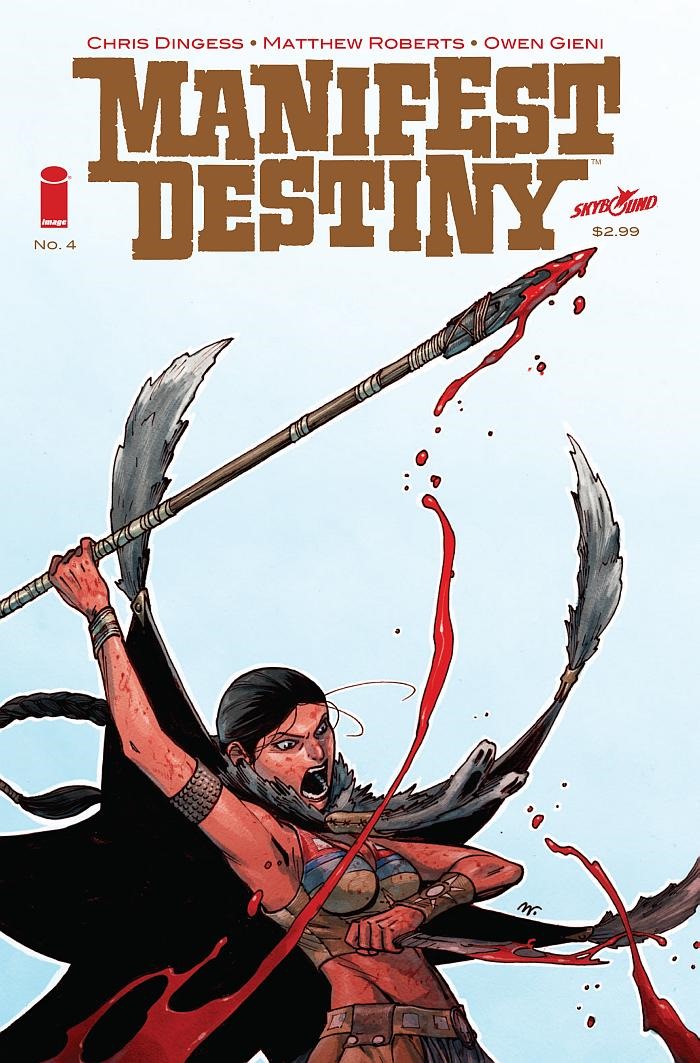
Preview Manifest Destiny 4 By Dingess, Roberts, And Gieni
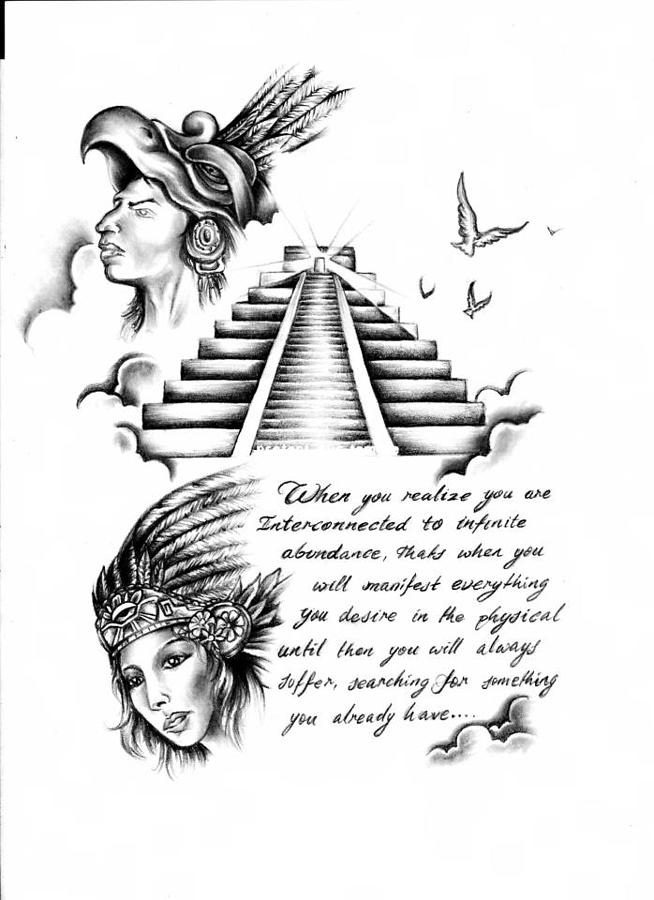
Manifest Destiny Drawing by Eddie Egesi

Manifest Destiny Celestia by Skypause on DeviantArt
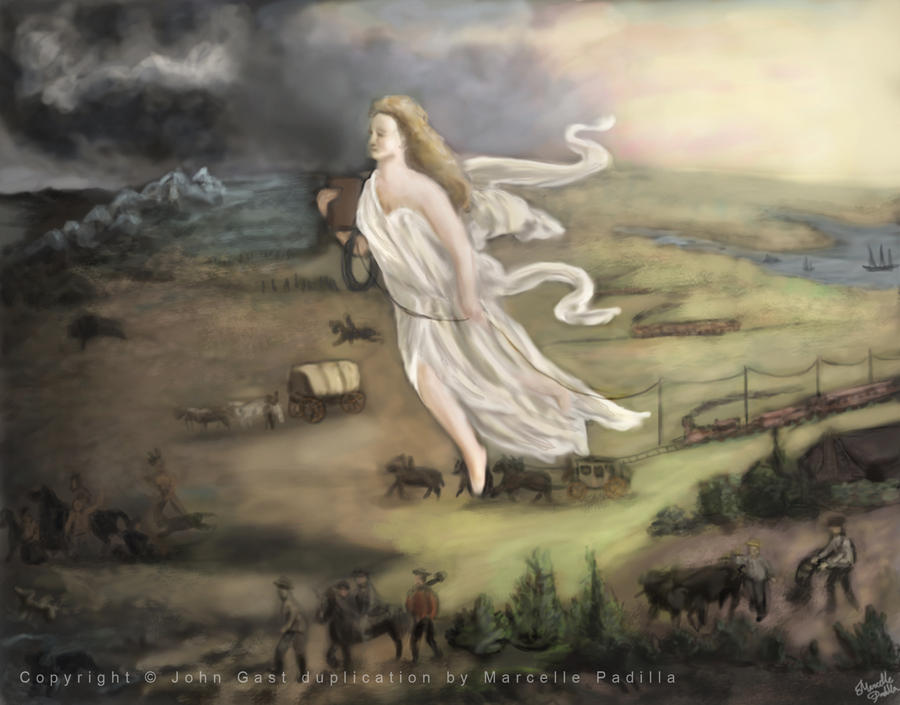
Manifest Destiny John Gast Duplication by BandGeekNinja0723 on DeviantArt
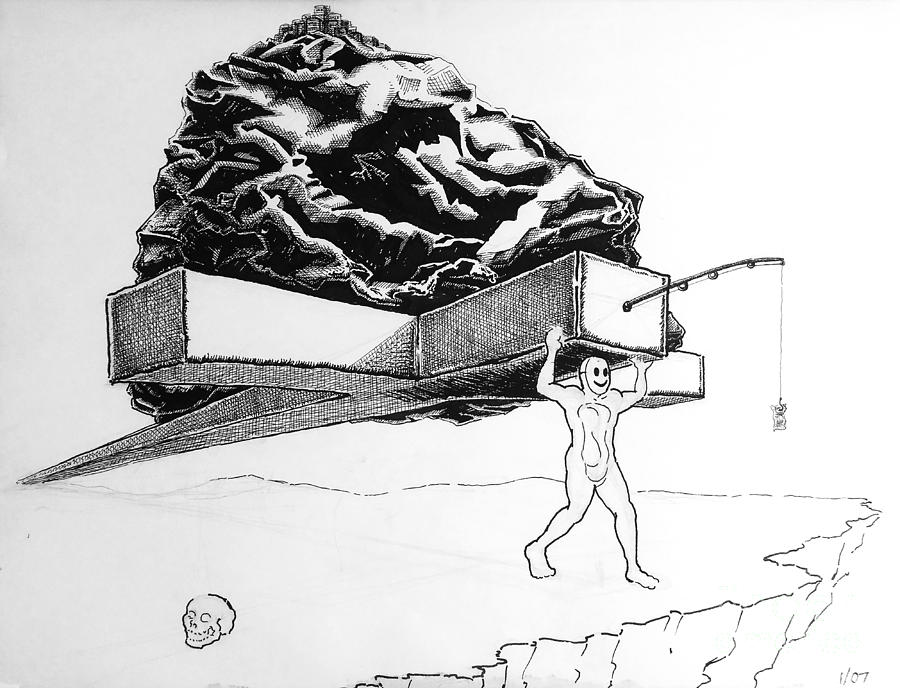
The Manifest Destiny Game Sudden Death Round Drawing by Mack Galixtar
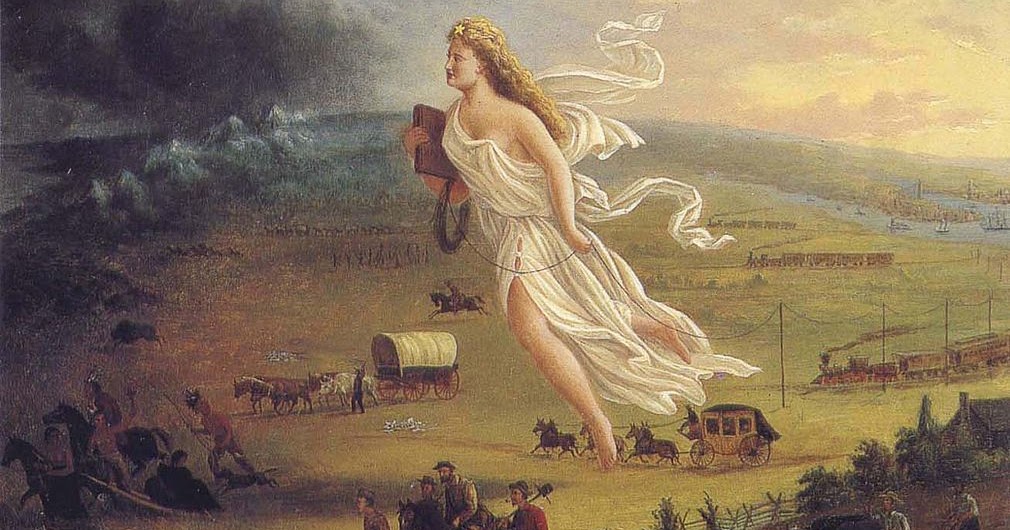
Age of Revolution Manifest Destiny

Manifest Destiny Sketch Video YouTube
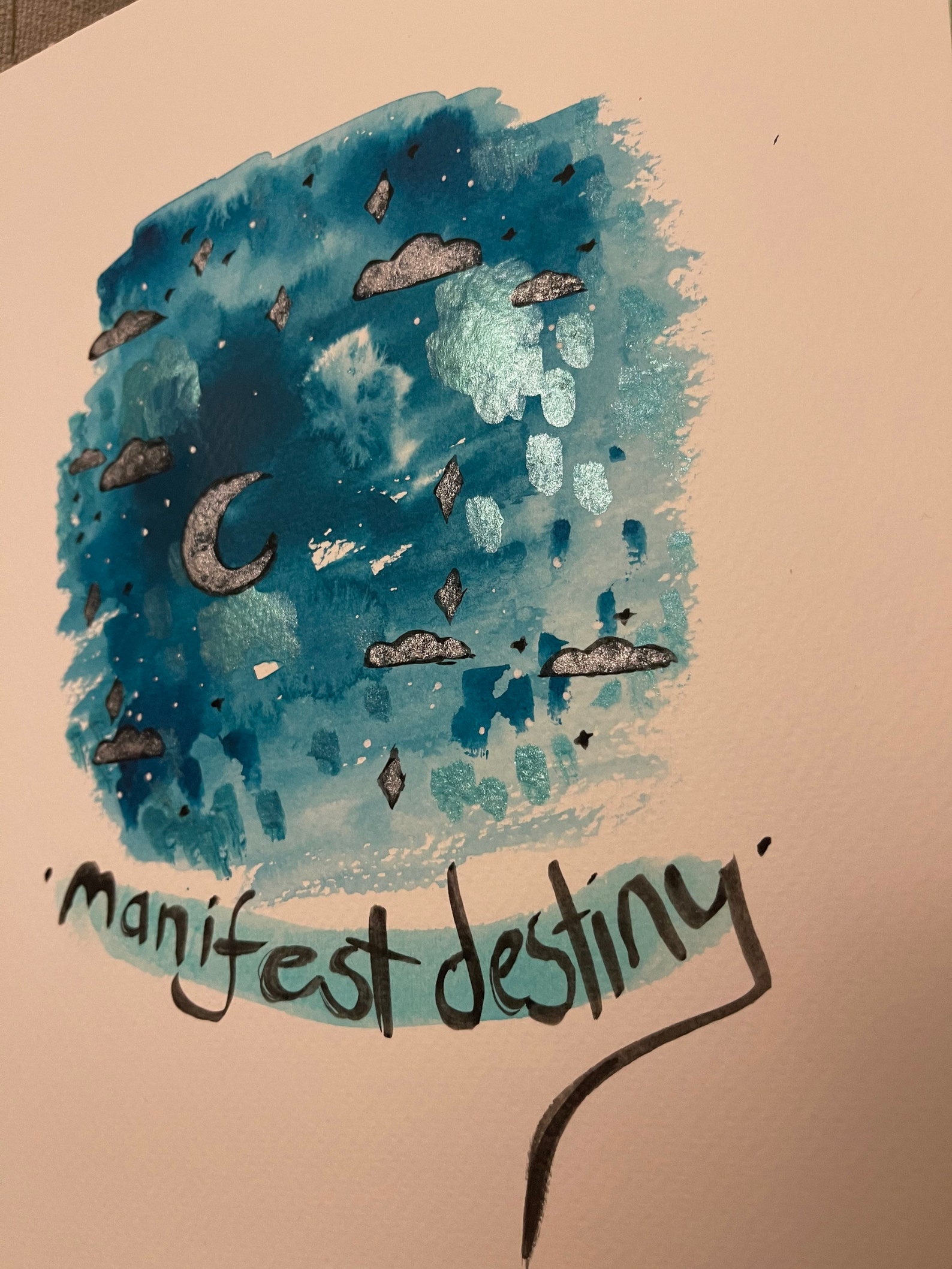
Manifest Destiny Original Piece A4 Metallic Ink Drawing Etsy
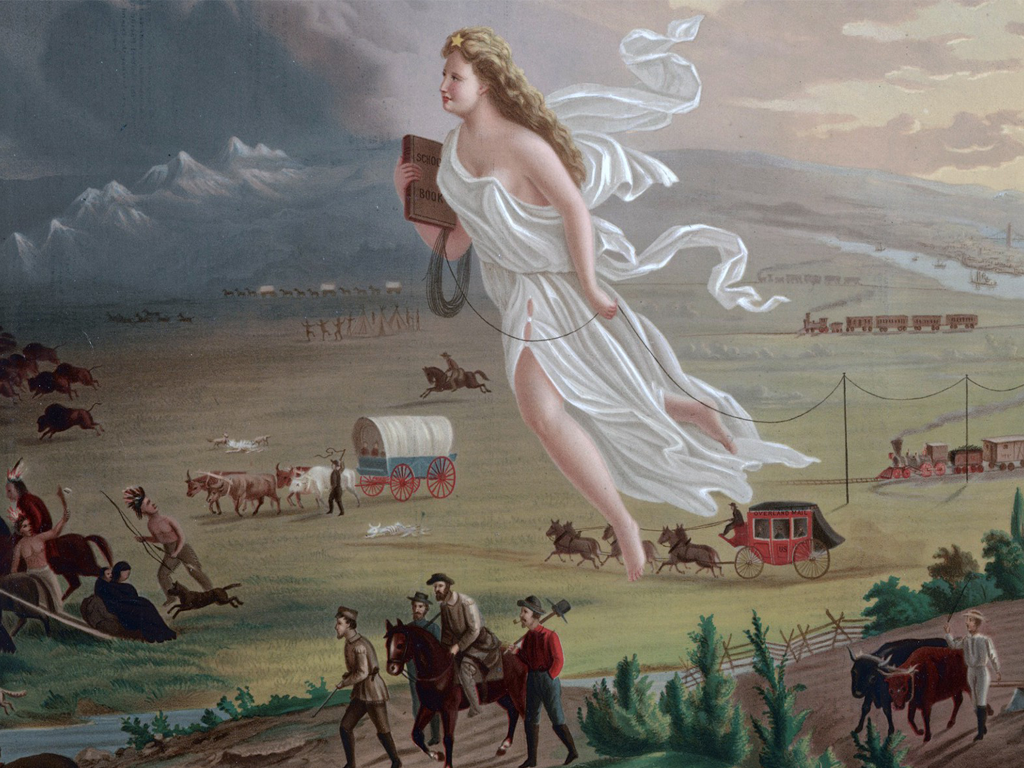
Manifest Destiny v3 file ModDB

Manifest Destiny 44 Image Comics
Web Manifest Destiny Summary Print Shows An Allegorical Female Figure Of America Leading Pioneers Westward, As They Travel On Foot, In A Stagecoach, Conestoga Wagon, And By Railroads, Where They Encounter Native Americans And Herds Of Bison.
Web 100 Minutes Summary In This Middle School Lesson, Best Facilitated At The Beginning Of A Westward Expansion Unit, Students Will Analyze John Gast's Painting American Progress, Then Read And Analyze Primary Source Documents To Construct Their Own Definition Of Manifest Destiny.
Architectural Studies The Drawings Shown Here Are By The Studio Of Diane Lewis Architect.
Few Americans Saw The Actual Painting, But Many Encountered It In Reproduction.
Related Post: