
Integumentary System Drawing
Integumentary System Drawing - Describe the different functions of the skin and the structures that enable them; Web the integumentary system the integumentary system is made up of the skin, hair, nails, sweat glands, and sebaceous glands. Web the two main layers of the skin: The skin is the largest organ in the body. Identify the components of the integumentary system describe the layers of the skin and the functions of each. Find out how it protects, regulates,. This article will discuss all of these components in detail together with some clinical notes about them and the integumentary system as a whole. Broadly speaking, the integumentary system is composed of skin and its appendages, subcutaneous tissue, deep fascia, mucocutaneous junctions, and breasts. Web learn about the skin, hair and nails, the largest organ in the body, and its functions and layers. Web anatomy of the integumentary system. Protects the internal structures of the body from damage. Web anatomy of the integumentary system. Web learn about the skin, hair and nails, the largest organ in the body, and its functions and layers. Web the integumentary system the integumentary system is made up of the skin, hair, nails, sweat glands, and sebaceous glands. Web describe the functions of the. See an infographic that shows the anatomy and features of the. The skin is the largest organ in the body. Broadly speaking, the integumentary system is composed of skin and its appendages, subcutaneous tissue, deep fascia, mucocutaneous junctions, and breasts. Explain how the skin helps maintain body. In addition to the skin, the integumentary system includes the hair and nails,. Web learn about the integumentary system, your body’s outer layer that consists of skin, hair, nails and glands. Web describe the functions of the integumentary system. Web anatomy of the integumentary system. Describe the layers of the skin and the functions of each layer; Web learn about the integumentary system, which includes the skin, hair, nails, and glands. Describe the different functions of the skin and the structures that enable them; Web how to draw integumentary system/ skin layers. The thinner outer layer called the epidermis and the thicker inner layer called the dermis. Broadly speaking, the integumentary system is composed of skin and its appendages, subcutaneous tissue, deep fascia, mucocutaneous junctions, and breasts. This article will discuss. Web the two main layers of the skin: Web describe the functions of the integumentary system. Web identify the components of the integumentary system; Describe the layers of the epidermis and. Describe the layers of the skin and the functions of each layer; Find more information about skin structures: Identify the components of the integumentary system describe the layers of the skin and the functions of each. We made flashcards to help you review the content in this episode! Web identify the components of the integumentary system; This video is useful for biology and medical students who want to know the structure and. It also helps provide protection from harmful ultraviolet. The thinner outer layer called the epidermis and the thicker inner layer called the dermis. In addition to the skin, the integumentary system includes the hair and nails, which are organs that grow out of the skin. Broadly speaking, the integumentary system is composed of skin and its appendages, subcutaneous tissue, deep. Web identify the components of the integumentary system; Protects the internal structures of the body from damage. Web identify the components of the integumentary system; Web learn about the integumentary system, which includes the skin, hair, nails, and glands. Describe the layers of the epidermis and. See how the skin protects, senses, and regulates your body, and explore. Web this extraordinary organ system : Identify and describe the hypodermis and deep fascia;. Web the integumentary system is the body's first line of defense against bacteria , viruses, and other pathogens. It also helps provide protection from harmful ultraviolet. Describe the layers of the epidermis and. Web learn how to draw a human skin diagram with step by step instructions and labels. Broadly speaking, the integumentary system is composed of skin and its appendages, subcutaneous tissue, deep fascia, mucocutaneous junctions, and breasts. Web anatomy of the integumentary system. This video is useful for biology and medical students who want. Describe the different functions of the skin and the structures that enable them; Web the integumentary system the integumentary system is made up of the skin, hair, nails, sweat glands, and sebaceous glands. Web learn how to draw a human skin diagram with step by step instructions and labels. Web the integumentary system is the body's first line of defense against bacteria , viruses, and other pathogens. It also helps provide protection from harmful ultraviolet. Web how to draw integumentary system/ skin layers. How to draw integumentary system/ skin. Web learn about the skin, hair and nails, the largest organ in the body, and its functions and layers. The skin is the largest organ in the body. This video is useful for biology and medical students who want to know the structure and. Web learn about the skin, hair, nails, glands, and nerves that make up the integumentary system, the body's outermost layer. Describe the layers of the skin and the functions of each layer; Identify the components of the integumentary system describe the layers of the skin and the functions of each. Describe the layers of the epidermis and. Web describe the functions of the integumentary system. Web learn about the integumentary system, your body’s outer layer that consists of skin, hair, nails and glands.
The Skin

7 Facts About the Integumentary System Every Nursing Student Should Know Nursecepts
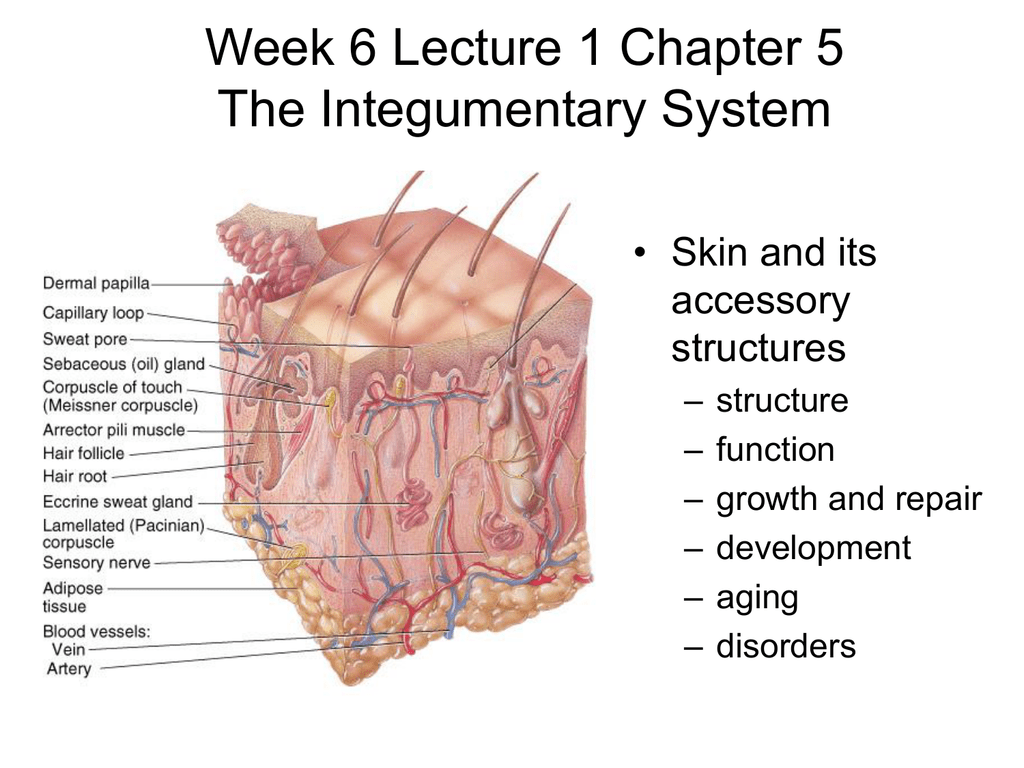
INTEGUMENTARY

7 Facts About the Integumentary System Every Nursing Student Should Know Nursecepts
:max_bytes(150000):strip_icc()/skin_structure-592308b15f9b58f4c0153a00.jpg)
The Layers of the Integumentary System
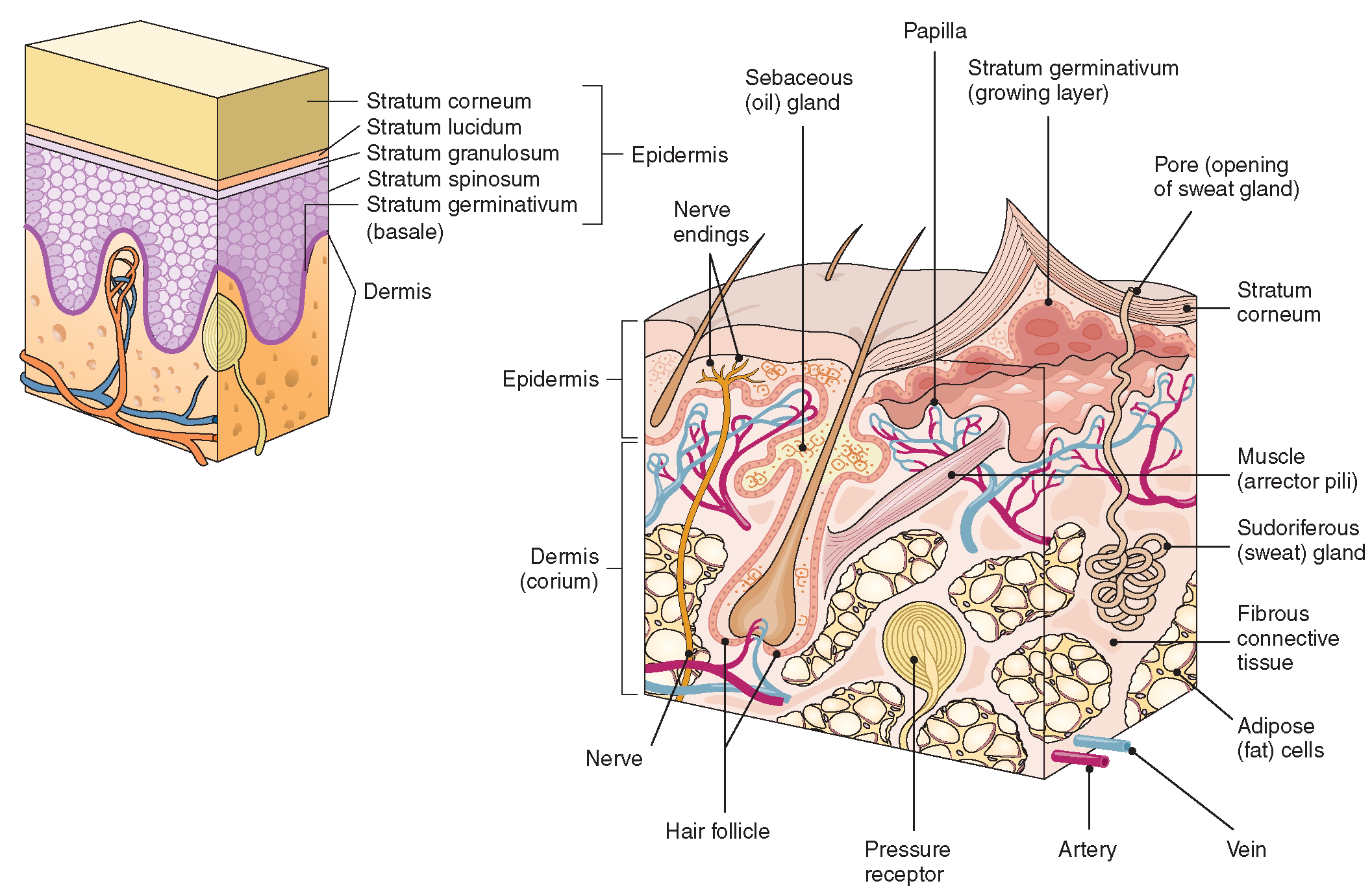
The Integumentary System (Structure and Function) (Nursing) Part 1
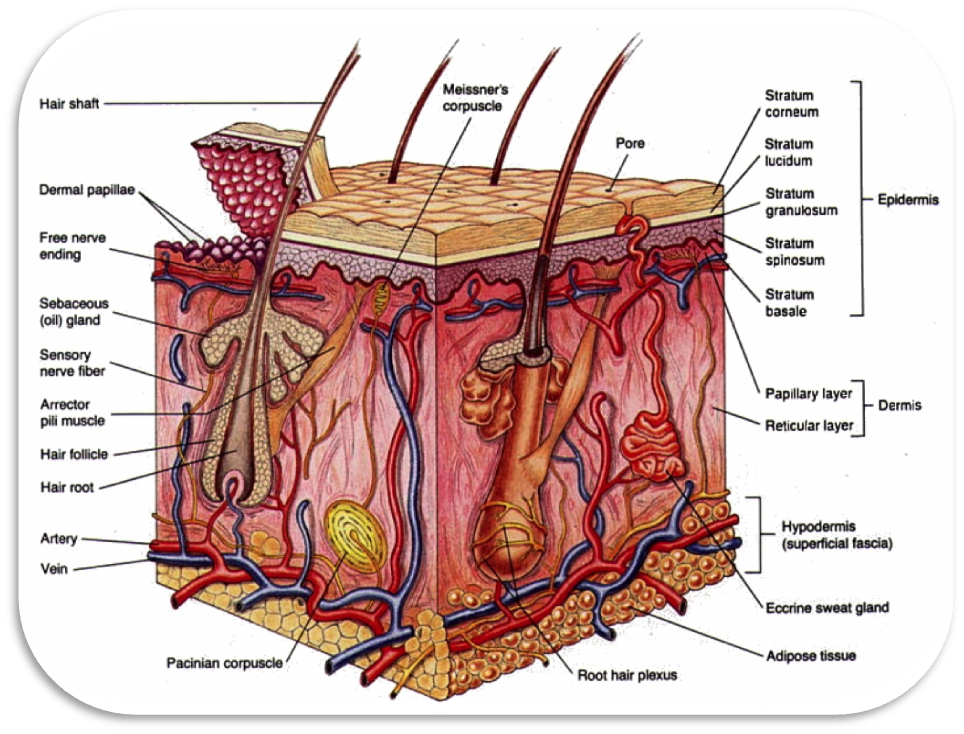
Diagrams The integumentary system
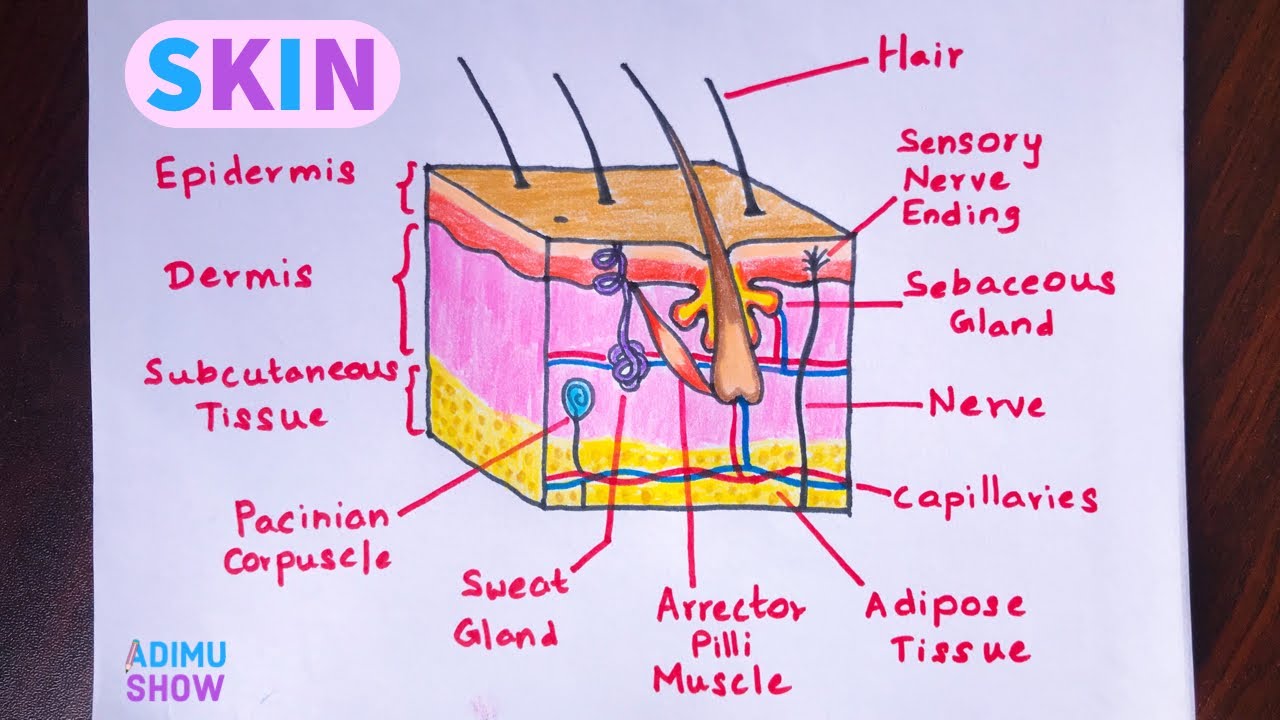
How To Draw Skin Layers Integumentary System step by step drawing YouTube
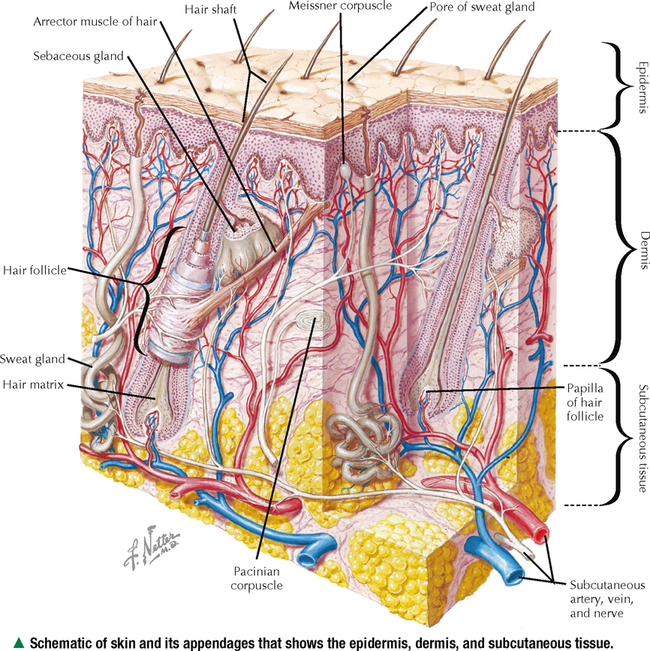
INTEGUMENTARY SYSTEM Basicmedical Key
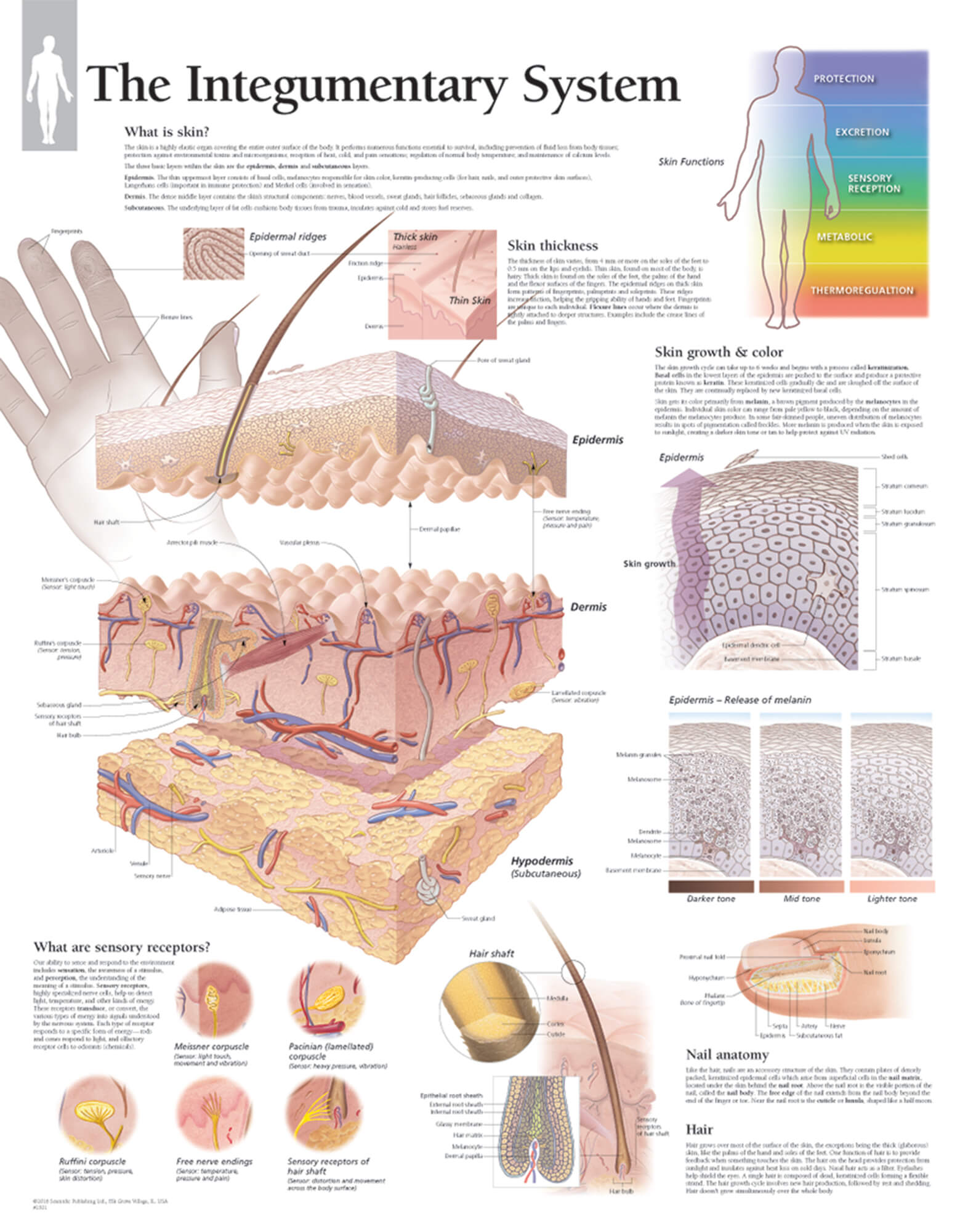
Anatomy Of Integumentary System Anatomical Charts & Posters
Protects The Internal Structures Of The Body From Damage.
This Article Will Discuss All Of These Components In Detail Together With Some Clinical Notes About Them And The Integumentary System As A Whole.
See How The Skin Protects, Senses, And Regulates Your Body, And Explore.
Use 3D Models And Accompanying Detailed Descriptions To.
Related Post: