
Homeostasis Drawing
Homeostasis Drawing - Web your body regulates other chemical mechanisms as well to keep systems in balance. Web (a) a negative feedback loop has four basic parts. Web learn how your body maintains proper homeostasis and regulates temperature, blood pressure, blood ph and blood sugar. Web this occurrence is known as physiological homeostasis, translating in layman’s terms to the physical equilibrium. From body temperature to blood pressure to levels of certain. (b) body temperature is regulated by negative feedback. Homeostasis is regulated by negative. Identify and define the four interacting components that maintain homeostasis in. It is essentially a corrective mechanism, consider the following. Exposure to extreme temperatures triggers physiological. Identify and define the four interacting components that maintain homeostasis in. Within these loops, negative stimuli automatically trigger mechanisms to help. Web your body regulates other chemical mechanisms as well to keep systems in balance. (b) body temperature is regulated by negative feedback. From body temperature to blood pressure to levels of certain. There are many body components that contribute to homeostasis. Maintaining homeostasis requires that the body continuously monitor its internal conditions. Web this occurrence is known as physiological homeostasis, translating in layman’s terms to the physical equilibrium. It also covers examples of different systems involved in maintaining. Learn about homeostasis in humans,. Describe the factors affecting homeostasis ; Homeostasis is regulated by negative. Homeostasis describes the dynamic balance of the body’s internal environment and the effort to maintain a constant, stable inside. Cells contain parts called organelles. It also covers examples of different systems involved in maintaining. Maintaining homeostasis requires that the body continuously monitor its internal conditions. In biology, homeostasis ( british also homoeostasis) (/hɒmɪə (ʊ)ˈsteɪsɪs/) is the state of steady internal, physical, chemical, and social conditions maintained by living systems. In order to set the system in motion, a stimulus must drive a. Exposure to extreme temperatures triggers physiological. Discuss positive and negative feedback mechanisms. It also covers examples of different systems involved in maintaining. Web how it works homeostasis typically involves negative feedback loops. Each organelle carries out a specific function in the cell. Homeostasis, in a general sense, refers to stability, balance, or equilibrium. Homeostasis is regulated by negative. Web your body regulates other chemical mechanisms as well to keep systems in balance. Maintaining homeostasis requires that the body continuously monitor its internal conditions. Within these loops, negative stimuli automatically trigger mechanisms to help. Web about transcript homeostasis, or maintaining a steady body temperature, is achieved through feedback mechanisms. Describe the factors affecting homeostasis ; Describe thermoregulation of endothermic and ectothermic animals There are many body components that contribute to homeostasis. Homeostasis describes the dynamic balance of the body’s internal environment and the effort to maintain a constant, stable inside. Discuss positive and negative feedback mechanisms used in homeostasis; These use hormones as chemical signals—for example, in the case of blood. Identify and define the four interacting components that maintain homeostasis in. These use hormones as chemical signals—for example, in the case of blood. Web how it works homeostasis typically involves negative feedback loops. It also covers examples of different systems involved in maintaining. Stasis = “standing still”) means to maintain body functions within specific livable ranges, adjusting. Web homeostasis is the activity of cells throughout the body to maintain the physiological state within a narrow range that is compatible with life. It is essentially a corrective mechanism, consider the following. (b) body temperature is regulated by negative feedback. In order to set the system in motion, a stimulus must drive a. This article explains what homeostasis is. Web how it works homeostasis typically involves negative feedback loops. Learn about homeostasis in humans,. These use hormones as chemical signals—for example, in the case of blood. Maintaining homeostasis requires that the body continuously monitor its internal conditions. Web this occurrence is known as physiological homeostasis, translating in layman’s terms to the physical equilibrium. Web download a pdf of the lab to print. Homeostasis is regulated by negative. Homeostasis is an organism’s process of maintaining a stable internal environment suitable for sustaining life. In order to set the system in motion, a stimulus must drive a. Cells contain parts called organelles. It also covers examples of different systems involved in maintaining. Describe thermoregulation of endothermic and ectothermic animals Discuss positive and negative feedback mechanisms used in homeostasis; Each organelle carries out a specific function in the cell. Web learn how your body maintains proper homeostasis and regulates temperature, blood pressure, blood ph and blood sugar. (b) body temperature is regulated by negative feedback. There are many body components that contribute to homeostasis. Maintaining homeostasis requires that the body continuously monitor its internal conditions. Exposure to extreme temperatures triggers physiological. This article explains what homeostasis is and how it works in organisms to maintain a stable internal environment despite changes in external conditions through negative feedback loops and positive feedback loops. From body temperature to blood pressure to levels of certain.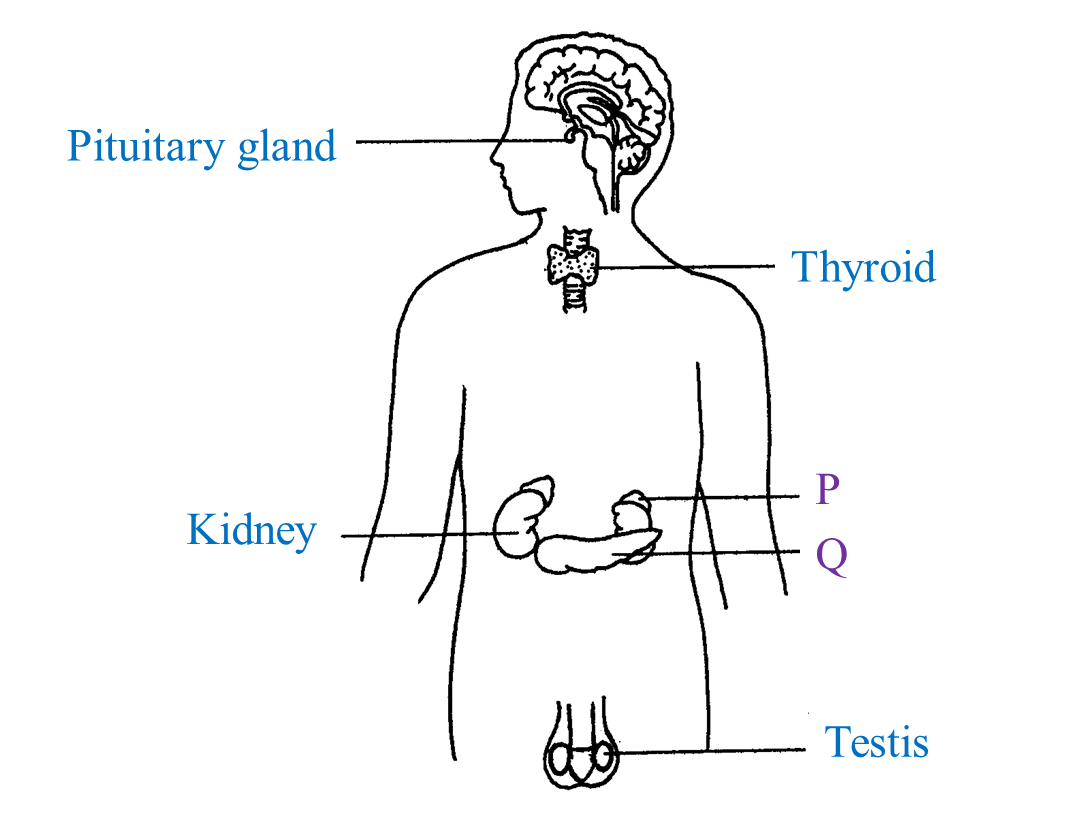
13.7.1 Homeostasis in Human (Structured Question 1 & 2) SPM Biology
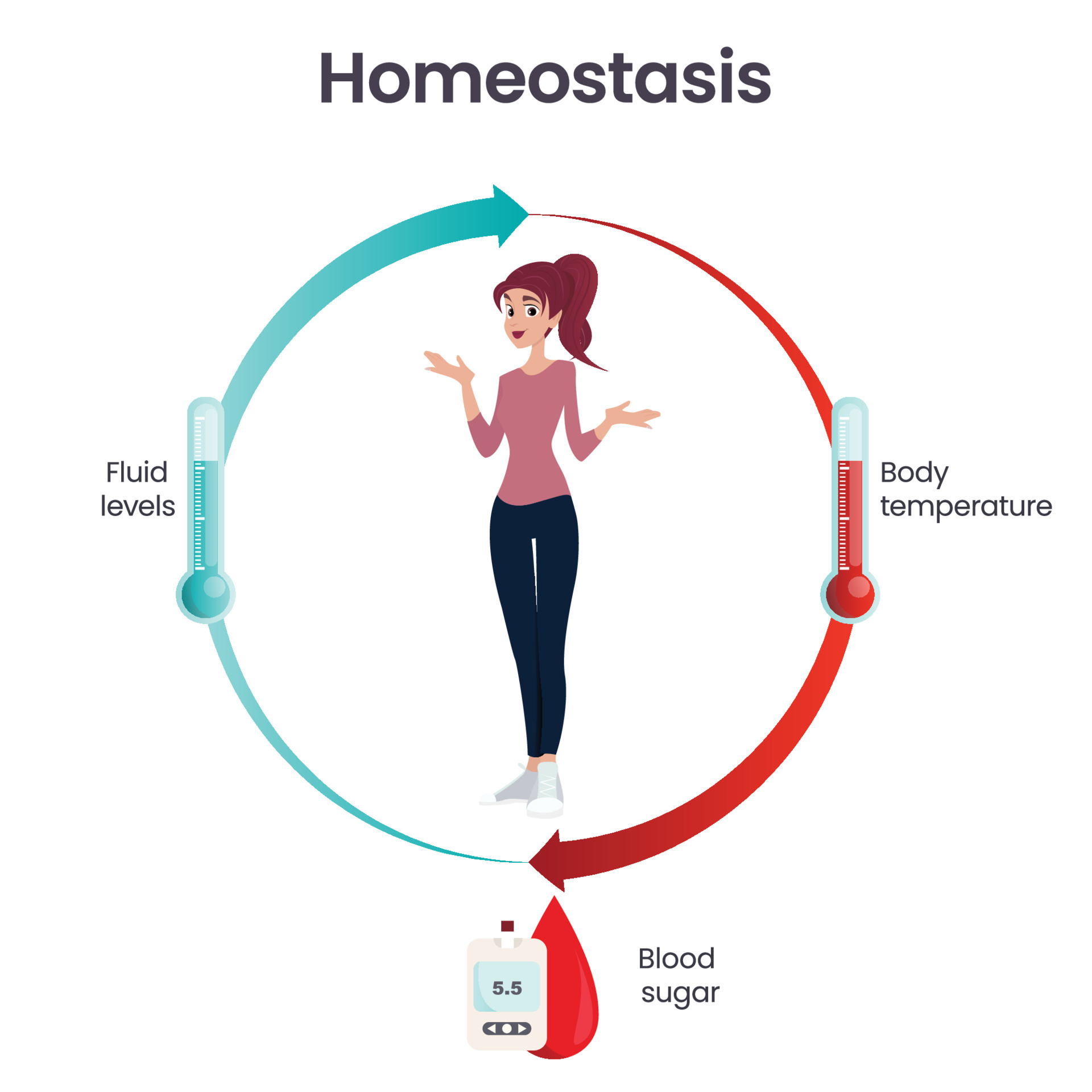
Biology homeostasis science vector illustration infographic 20561283

Maintaining homeostasis and listening to your body
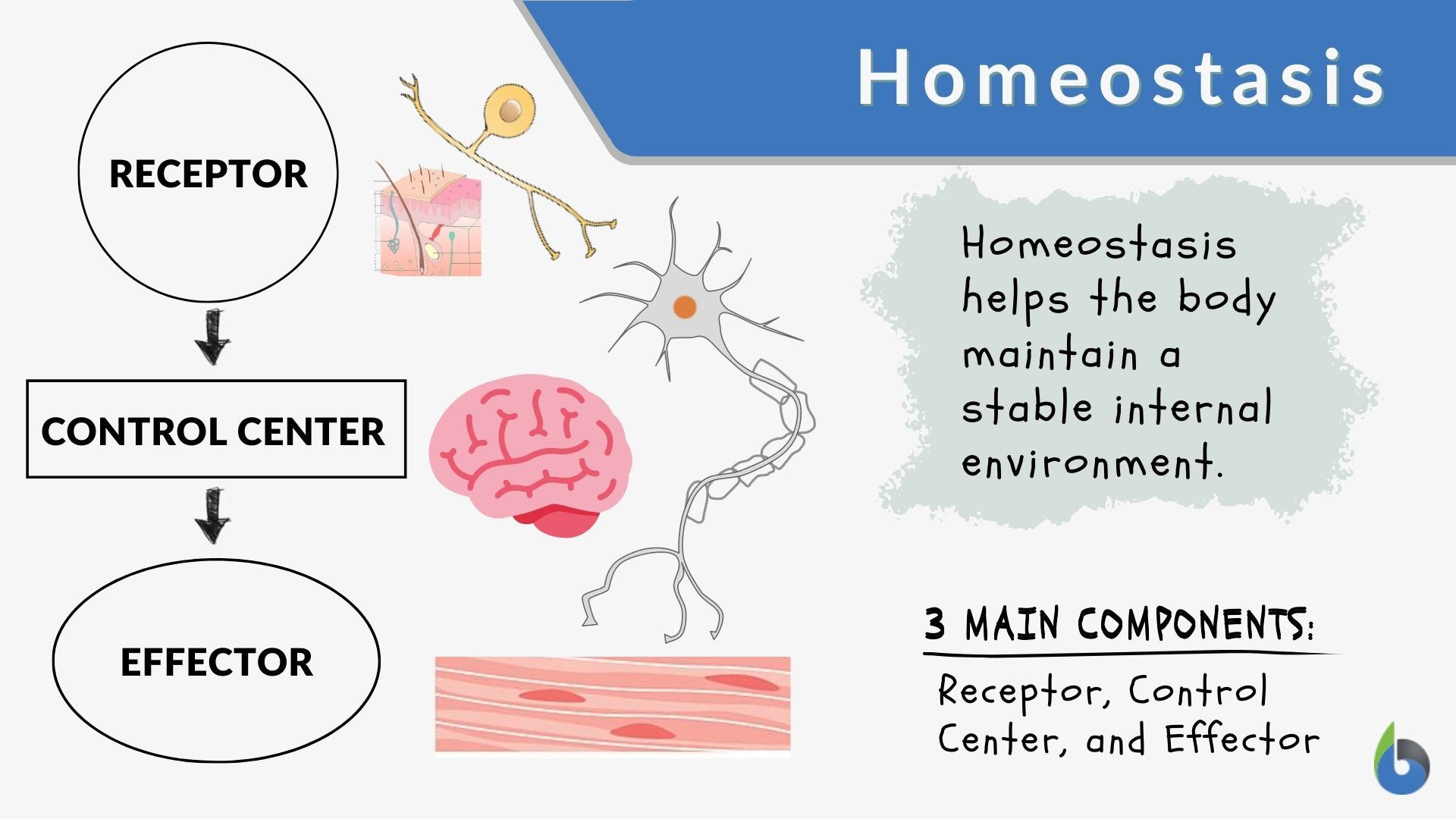
Homeostasis Definition and Examples Biology Online Dictionary

Homeostasis Biology I
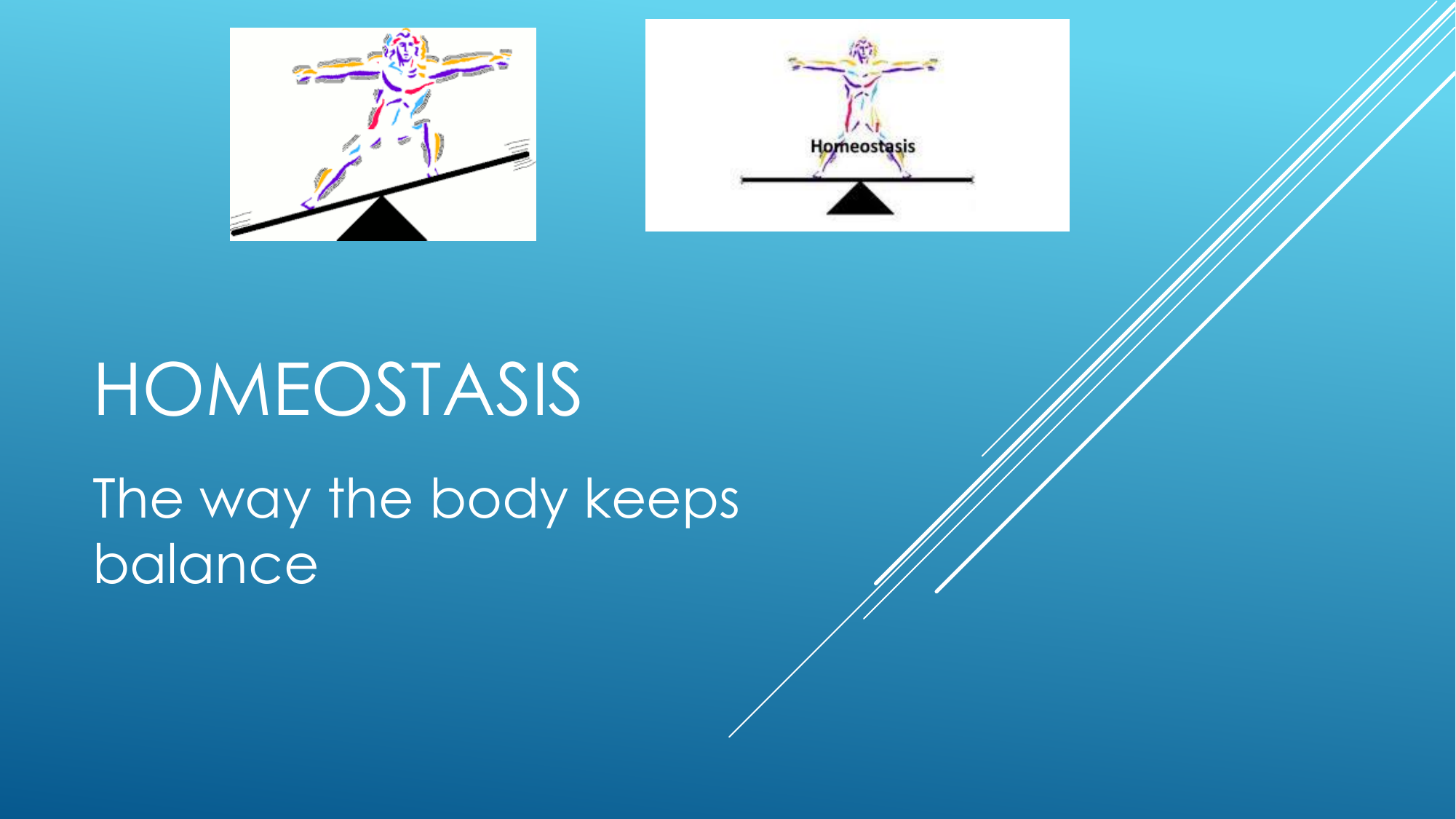
Homeostasis

Teoria de la Homeostasis, Biologia I, UNIDAD I.
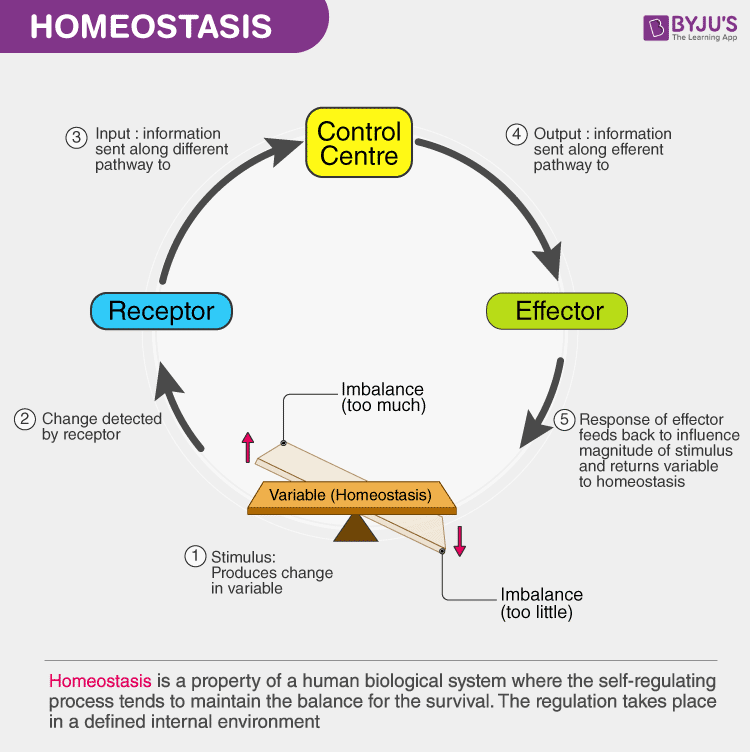
Best Describes the Process of Homeostasis

Maintain Stable Internal Environment (Homeostasis) Expii
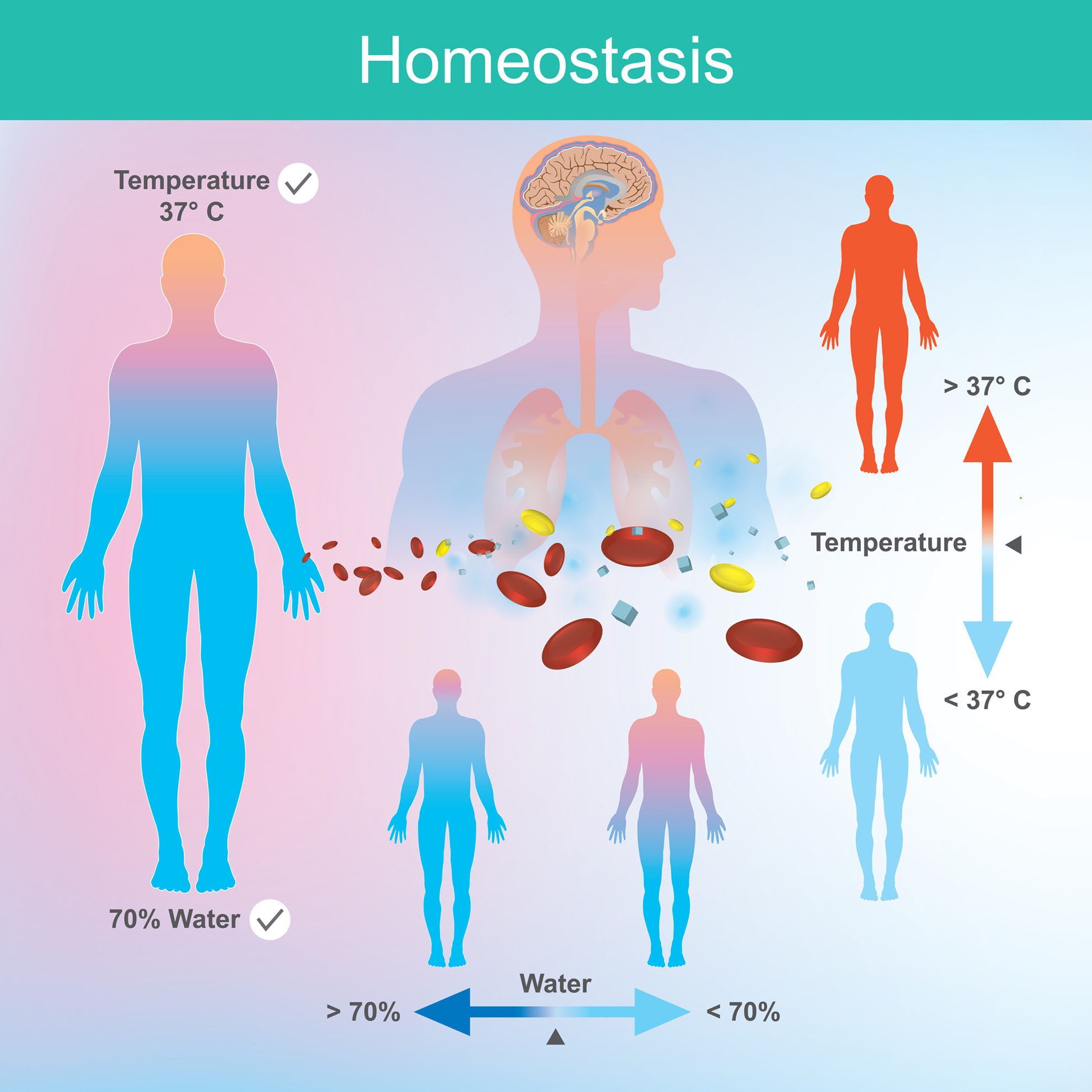
Physiological Homeostasis Biology Online Tutorial
Homeostasis, In A General Sense, Refers To Stability, Balance, Or Equilibrium.
Web About Transcript Homeostasis, Or Maintaining A Steady Body Temperature, Is Achieved Through Feedback Mechanisms.
Web How It Works Homeostasis Typically Involves Negative Feedback Loops.
Web (A) A Negative Feedback Loop Has Four Basic Parts.
Related Post: