Draw The Mechanism For The Following Reaction
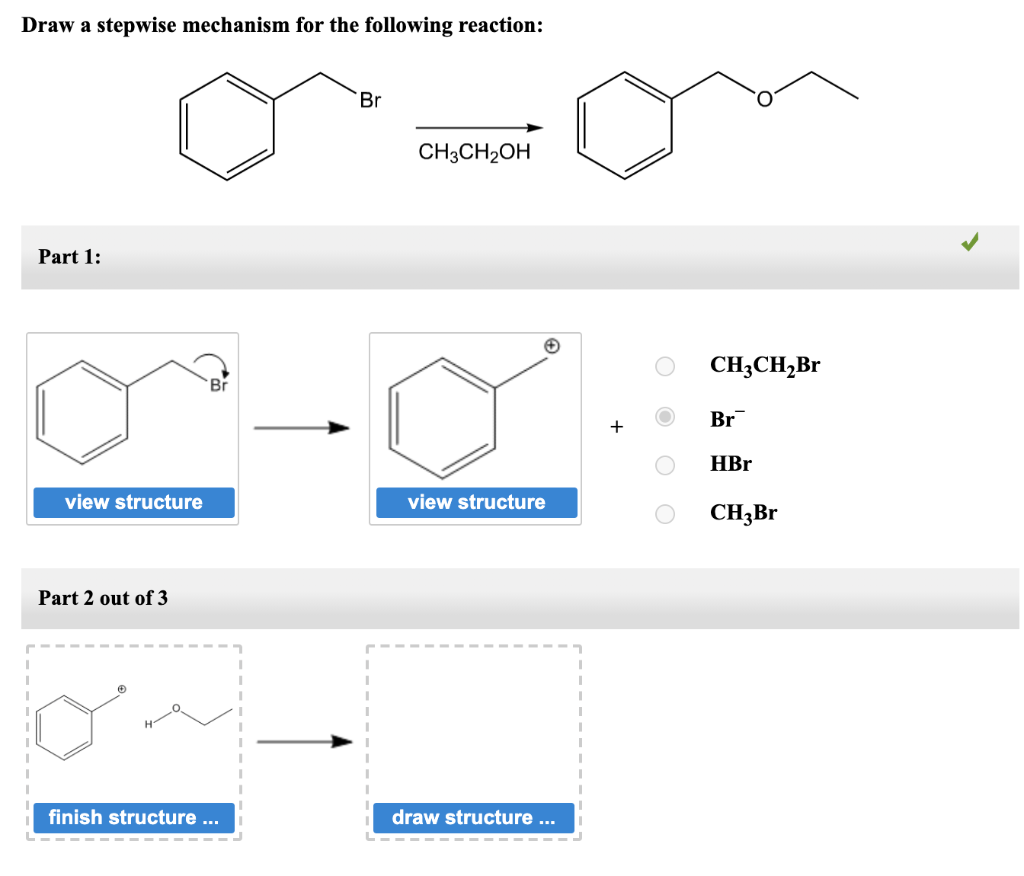
Draw The Mechanism For The Following Reaction - Be sure to answer all parts. Show all electron movement with arrows. This content is for registered users only. No(g) + cl 2(g) − ⇀ ↽ − nocl 2(g). Kie= k 12 /k 13 = 1.082 ± 0.008. Curved arrows are a formal notation to help us understand the electron flow in organic reactions. Web for the following two reactions: Want to join the conversation? A) reaction between atp and alcohol ( roh) in the presence of a base ( b a − ): Web the following two sets of reactions (a and b) show possibilities for arrow pushing in individual reaction steps. Web the following two sets of reactions (a and b) show possibilities for arrow pushing in individual reaction steps. Web the mechanism of a chemical reaction is the sequence of actual events that take place as reactant molecules are converted into products. Web before you can do this you need to understand that a bond is due to a pair. Web curved arrows in organic reaction mechanisms. Web chemistry questions and answers. The decomposition of ozone, for example,. C) draw the mechanism for the following reactions and provide the product. Be sure to answer all parts. Web the following two sets of reactions (a and b) show possibilities for arrow pushing in individual reaction steps. Web chemistry questions and answers. No(g) + cl 2(g) − ⇀ ↽ − nocl 2(g). Web curved arrows in organic reaction mechanisms. Draw a stepwise mechanism for the following reaction: The sequence of individual steps, or elementary reactions, by which reactants are converted into products during the course of a reaction is called the reaction. Draw a stepwise mechanism for the following reaction: Web a common question on an organic chemistry exam is, draw the mechanism of this reaction. the following instructions should help you figure out how to solve. When asked to draw a mechanism, curved arrows. Show all electron movement with arrows. Web before you can do this you need to understand that a bond is due to a pair of electrons shared between atoms. Label the acid, base, conjugate acid, and conjugate base: The sequence of individual steps, or elementary reactions, by which reactants are converted into. Web chemistry questions and answers. Label the acid, base, conjugate acid, and conjugate base: Web a balanced chemical reaction does not necessarily reveal either the individual elementary reactions by which a reaction occurs or its rate law. Show all electron movement with arrows. The decomposition of ozone, for example,. C) draw the mechanism for the following reactions and provide the product. Ch3ch2oh part 1 out of 2. Draw a stepwise mechanism for the following reaction: Web the following two sets of reactions (a and b) show possibilities for arrow pushing in individual reaction steps. Web the mechanism of a chemical reaction is the sequence of actual events that take. This content is for registered users only. Kie= k 12 /k 13 = 1.082 ± 0.008. Web a balanced chemical reaction does not necessarily reveal either the individual elementary reactions by which a reaction occurs or its rate law. The decomposition of ozone, for example,. Web the mechanism of a chemical reaction is the sequence of actual events that take. Show all electron movement with arrows. The kinetic isotope effect can help determine mechanism type. No(g) + cl 2(g) − ⇀ ↽ − nocl 2(g). Web the following two sets of reactions (a and b) show possibilities for arrow pushing in individual reaction steps. Draw a stepwise mechanism for the following reaction: C) draw the mechanism for the following reactions and provide the product. Web the mechanism of a chemical reaction is the sequence of actual events that take place as reactant molecules are converted into products. Kie= k 12 /k 13 = 1.082 ± 0.008. Label the acid, base, conjugate acid, and conjugate base: The sequence of individual steps, or elementary. The sequence of individual steps, or elementary reactions, by which reactants are converted into products during the course of a reaction is called the reaction. This content is for registered users only. Draw a stepwise mechanism for the following reaction: No(g) + cl 2(g) − ⇀ ↽ − nocl 2(g). Web a balanced chemical reaction does not necessarily reveal either the individual elementary reactions by which a reaction occurs or its rate law. When asked to draw a mechanism, curved arrows. Web curved arrows in organic reaction mechanisms. Web for the following two reactions: The decomposition of ozone, for example,. Ch3ch2oh part 1 out of 2. Curved arrows are a formal notation to help us understand the electron flow in organic reactions. C) draw the mechanism for the following reactions and provide the product. Show all electron movement with arrows. Label the acid, base, conjugate acid, and conjugate base: Be sure to answer all parts. Web before you can do this you need to understand that a bond is due to a pair of electrons shared between atoms.[Solved] Draw a curved arrow mechanism of the following reaction. Draw
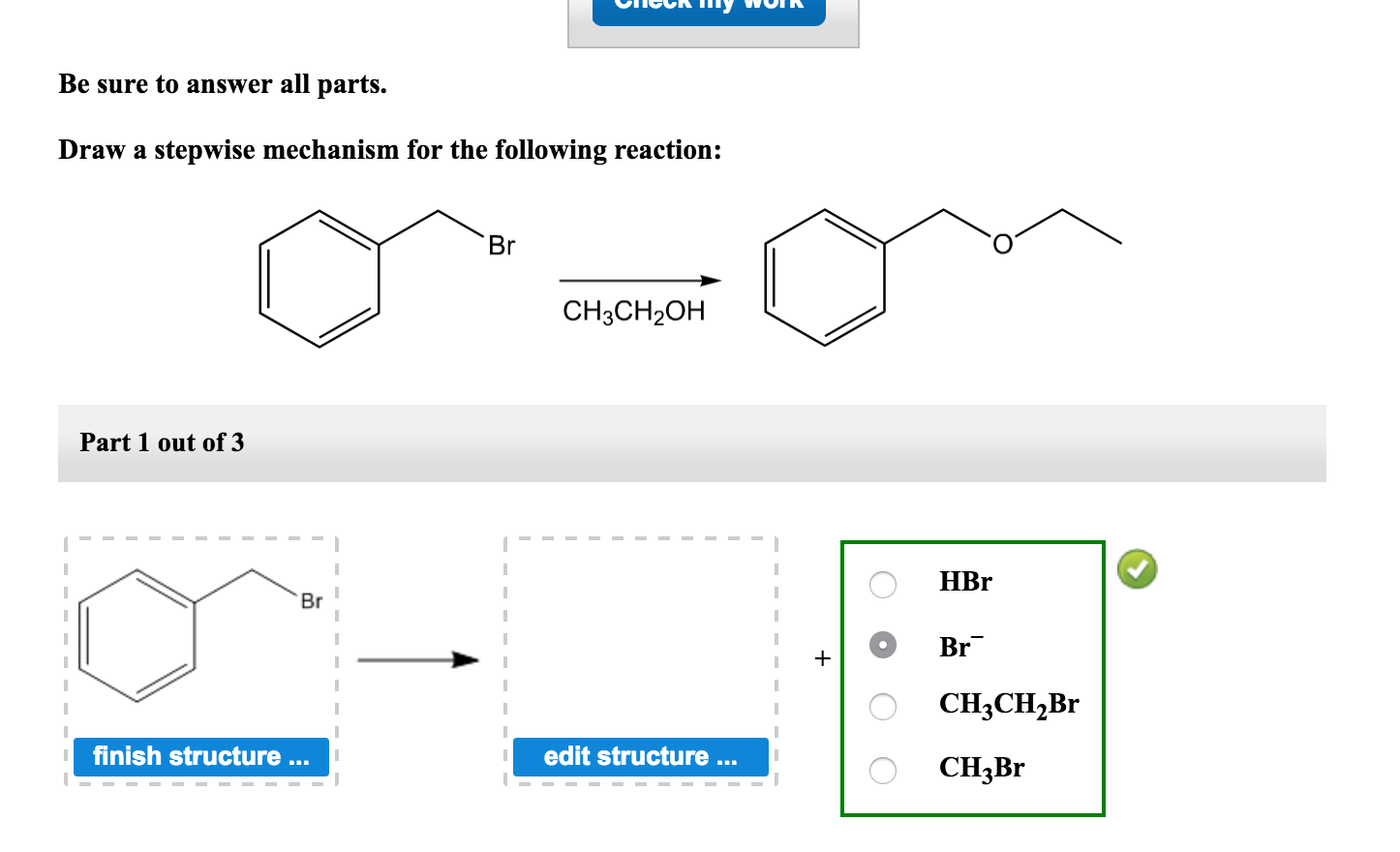
Solved Draw a stepwise mechanism for the following reaction
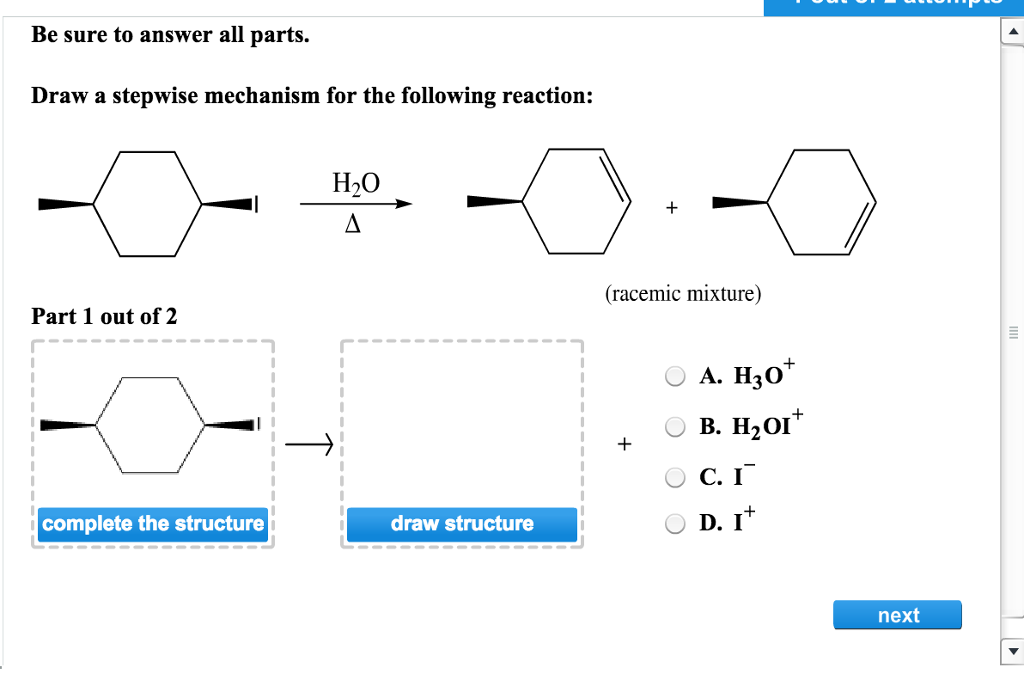
Solved Draw a stepwise mechanism for the following reaction
[Solved] Draw a curved arrow mechanism of the following reaction
Solved Draw a stepwise mechanism for the following reaction
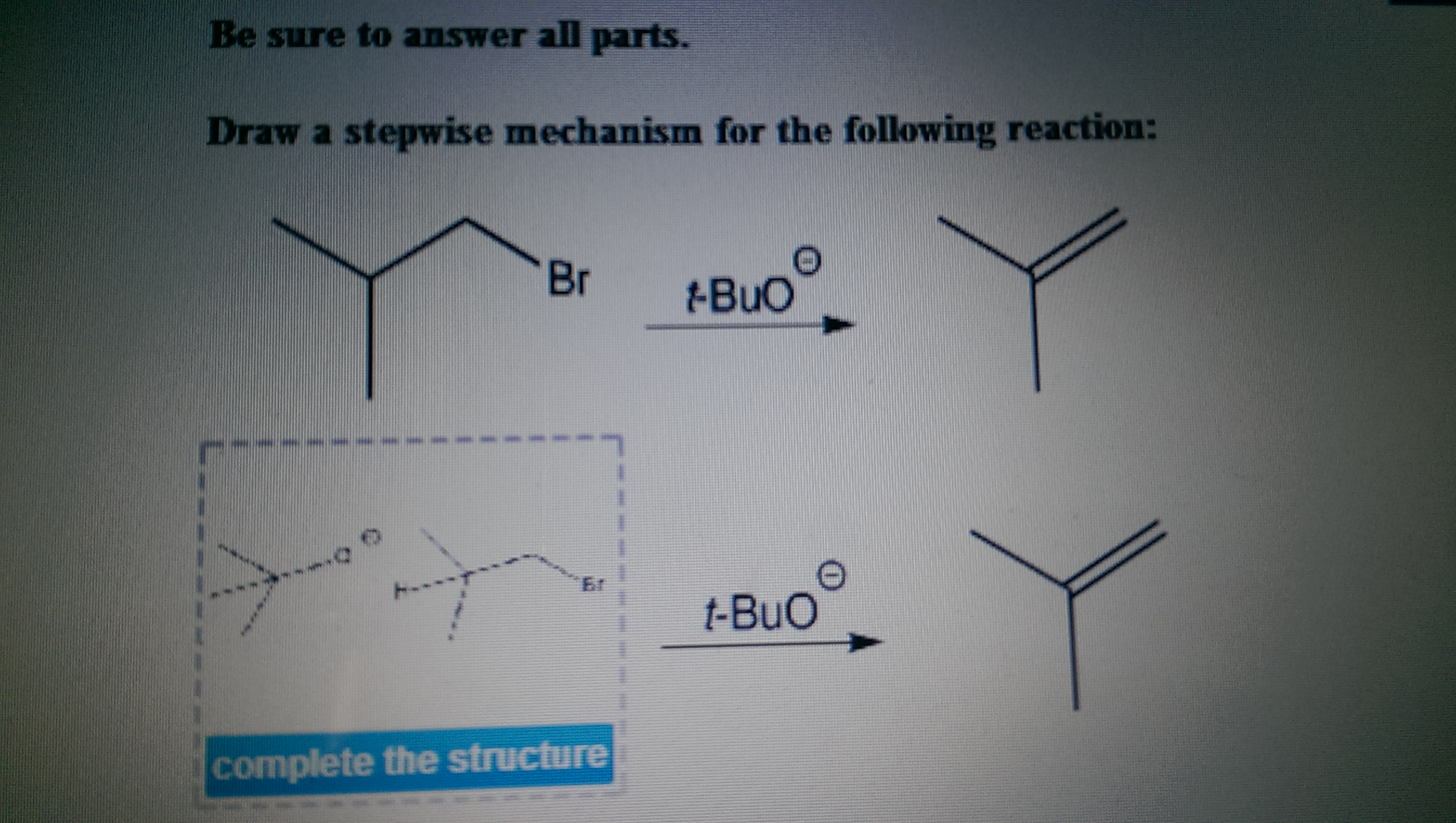
Solved Be sure to answer all parts. Draw a stepwise
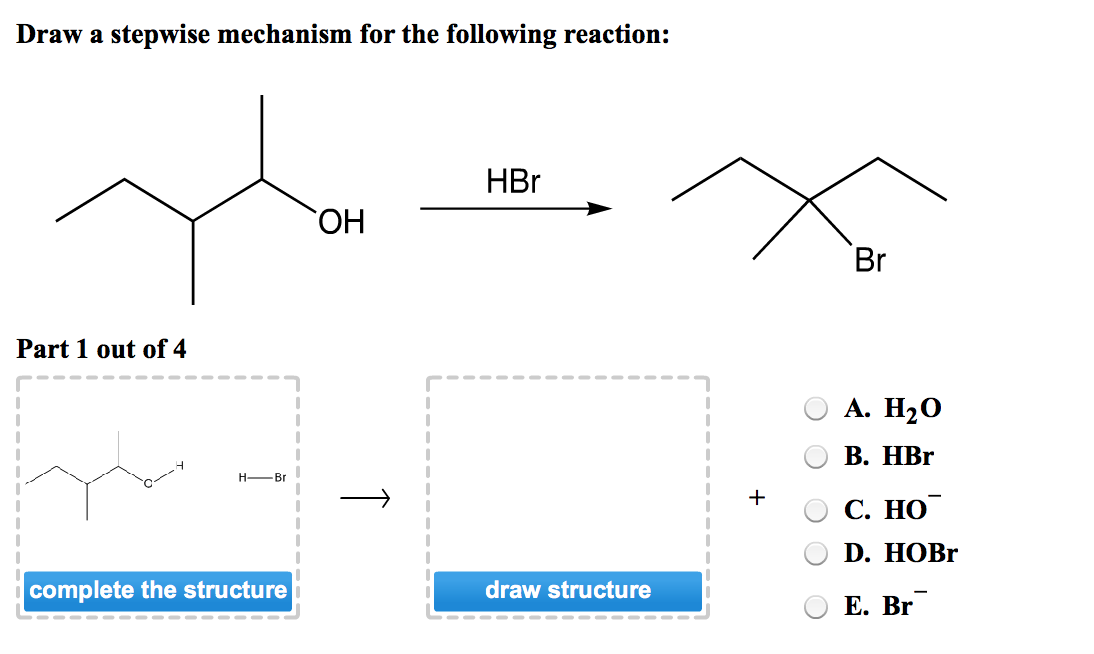
Solved Draw a stepwise mechanism for the following reaction
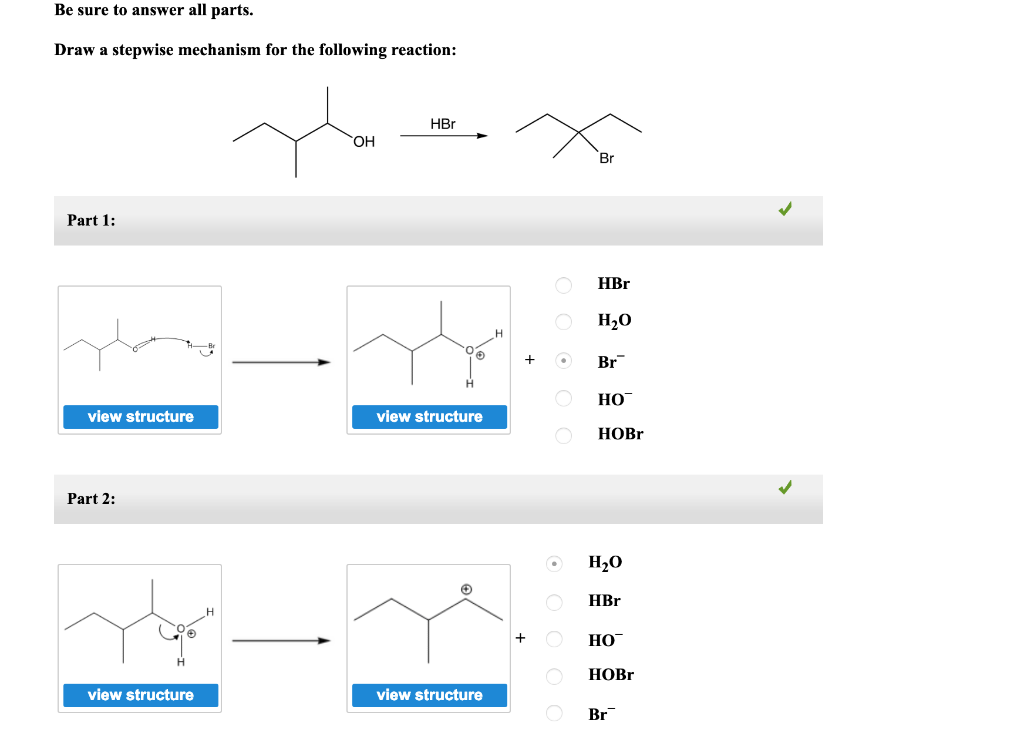
draw a stepwise mechanism for the following reaction 2xsafari
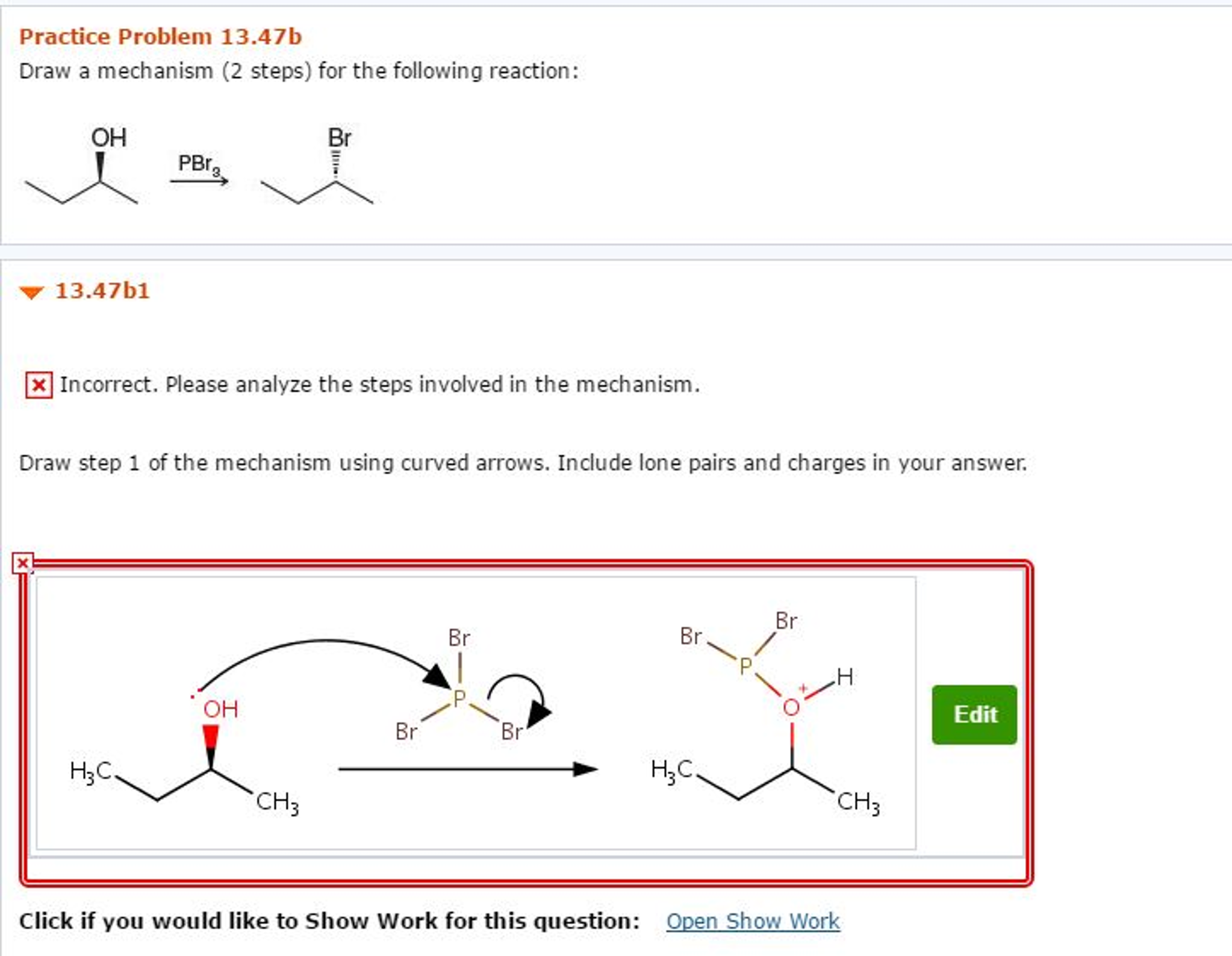
Solved Draw a mechanism (2 steps) for the following
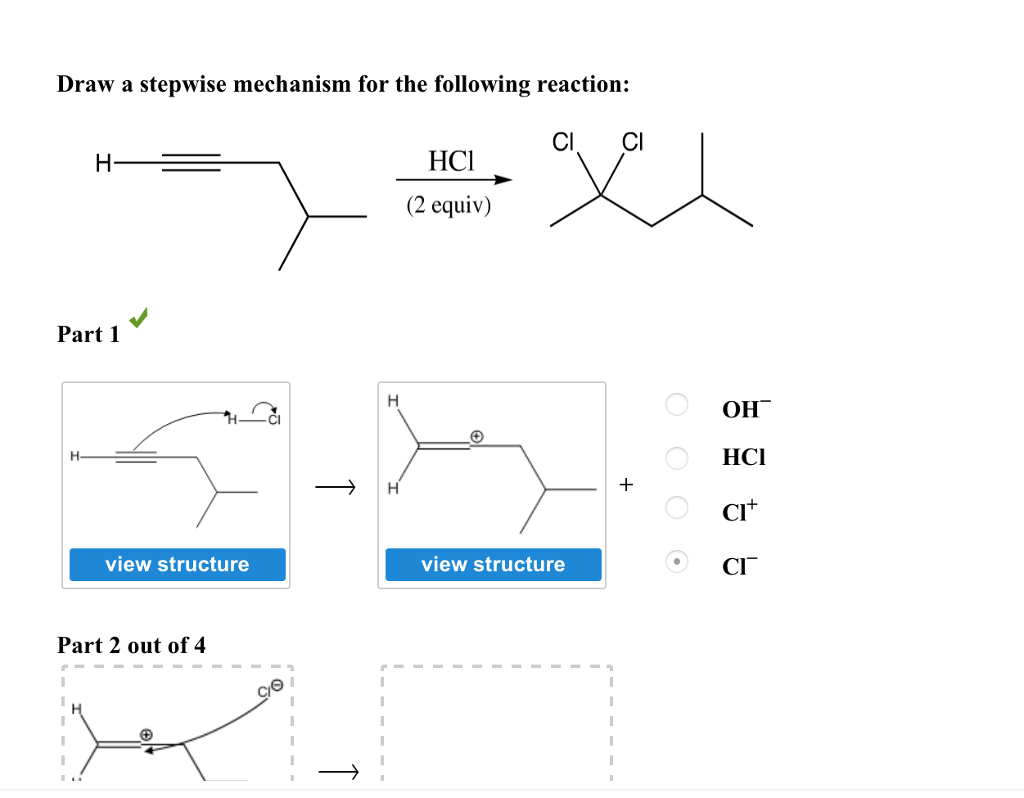
Solved Draw a stepwise mechanism for the following reaction
Want To Join The Conversation?
The Kinetic Isotope Effect Can Help Determine Mechanism Type.
Kie= K 12 /K 13 = 1.082 ± 0.008.
Web The Following Two Sets Of Reactions (A And B) Show Possibilities For Arrow Pushing In Individual Reaction Steps.
Related Post: