
Active Transport Drawing
Active Transport Drawing - Web primary active transport moves ions across a membrane and creates a difference in charge across that membrane, which is directly dependent on atp. Active transport mechanisms do just this, expending energy (often in the form of atp) to maintain the right concentrations of ions and molecules in living cells. These are passive and active transport. Web active transport is a highly demanding metabolic process; At activity end, administer the cell membrane quiz. Web in secondary active transport, the movement of a driving ion down an electrochemical gradient is used to drive the uphill transport of another ion/molecule against a concentration or electrochemical gradient. Active transport mechanisms require the use of the cell’s energy, usually in the form of adenosine triphosphate (atp). Abstract futuristic neon glowing concept car silhouette. Web there are two types of active transport: The movement of substances through the cell membrane that requires energy. Web browse 10,200+ active transport drawing stock photos and images available, or start a new search to explore more stock photos and images. The movement of particles through the cell membrane that does not require energy. Web there are two types of active transport: This uses energy from atp. Secondary active transport does not directly require atp: Some cells can use up to 50% of their energy on active transport alone. Two types of secondary active transport processes exist: Cotransport (also known as symport) and exchange (also known as. For all of the transport methods described above, the cell expends no energy. These are passive and active transport. Web “active transport is defined as a process that involves the movement of molecules from a region of lower concentration to a region of higher concentration against a gradient or an obstacle with the use of external energy.” during the process of active transport, a protein pump makes use of stored energy in the form of atp, to move. Examples. Primary active transport that uses adenosine triphosphate (atp), and secondary active transport that uses an electrochemical gradient. Instead, it is the movement of material due to the electrochemical gradient established by primary active transport. In some cases, the movement of substances can be accomplished by passive transport, which uses no energy. Web active transport mechanisms, collectively called pumps, work against. Membrane proteins that aid in the passive transport of substances do so without the use of atp. Abstract futuristic neon glowing concept car silhouette. As you can see, transmembrane channels on either side of the pump allow the. Active transport maintains concentrations of ions and other substances needed by living cells in the face of these passive movements. Active transport. Web primary active transport moves ions across a membrane and creates a difference in charge across that membrane, which is directly dependent on atp. No energy is necessary for this mode of transport. If a substance must move into the cell against its concentration gradient, that is, if the concentration of the substance inside the cell must be greater than. In contrast, active transport is the movement of substances across the membrane using energy from adenosine triphosphate (atp). Figure 4.8.6 use this image to answer question #4 Cotransport (also known as symport) and exchange (also known as. Active transport requires energy to move substances against a concentration or electrical gradient, like a canoeist paddling upstream. Two types of secondary active. At activity end, administer the cell membrane quiz. Web “active transport is defined as a process that involves the movement of molecules from a region of lower concentration to a region of higher concentration against a gradient or an obstacle with the use of external energy.” during the process of active transport, a protein pump makes use of stored energy. Figure 4.8.6 use this image to answer question #4 Active transport maintains concentrations of ions and other substances needed by living cells in the face of these passive movements. This exports three sodium ions in return for two potassium ions. Active transport requires energy to move substances against a concentration or electrical gradient, like a canoeist paddling upstream. The dots. Two types of secondary active transport processes exist: Web two major classes of facilitated transport proteins are channels and carrier proteins. The dots represent molecules of a substance needed by the cell. Web primary active transport moves ions across a membrane and creates a difference in charge across that membrane, which is directly dependent on atp. Cotransport (also known as. Review students' answers to gauge their comprehension of the. This is key to maintaining the resting membrane potential. Active transport mechanisms require the use of the cell’s energy, usually in the form of adenosine triphosphate (atp). However, the cell often needs to transport materials against their concentration gradient. Web active transport uses energy to transport molecules across the plasma membrane. For all of the transport methods described above, the cell expends no energy. Examples will include the diffusion of gases across alveolar. No energy is necessary for this mode of transport. Active transport mechanisms do just this, expending energy (often in the form of atp) to maintain the right concentrations of ions and molecules in living cells. Web there are two types of active transport: Web there are 2 main modes of transport of molecules across any biological membrane. In some cases, the movement of substances can be accomplished by passive transport, which uses no energy. If a substance must move into the cell against its concentration gradient, that is, if the concentration of the substance inside the cell must be greater than its concentration in the extracellular. The movement of particles through the cell membrane that does not require energy. Web the drawing below shows the fluid inside and outside of a cell. Active transport mechanisms require the use of the cell’s energy, usually in the form of adenosine triphosphate (atp).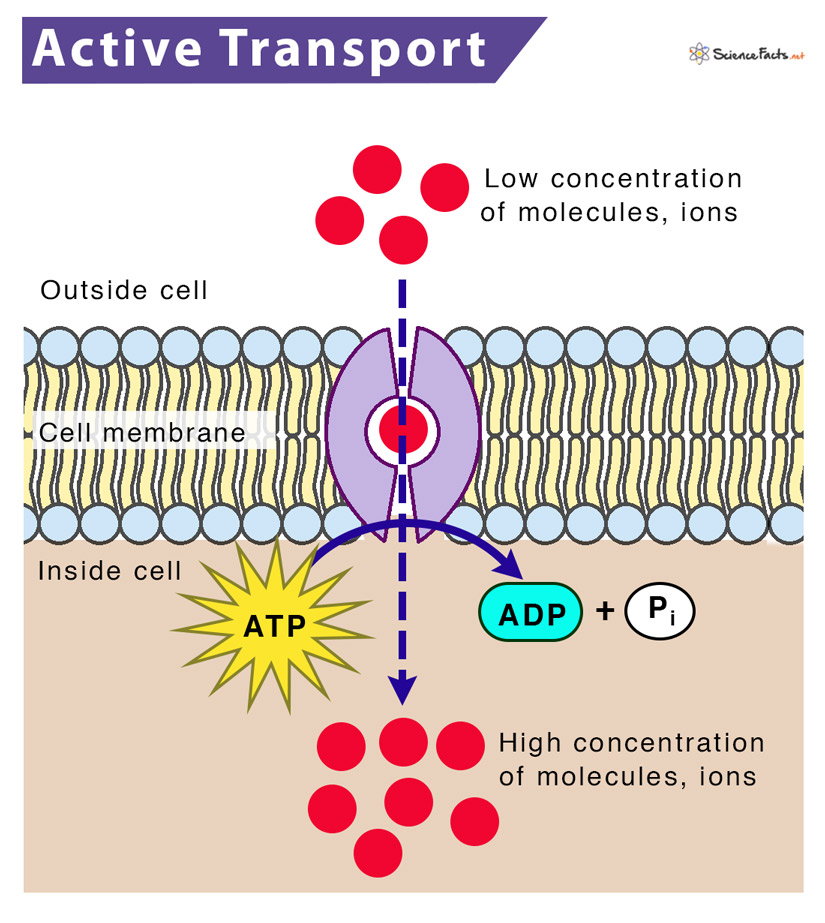
What Molecule Is Necessary for Active Transport WadehasJohns

PPT Active Transport PowerPoint Presentation, free download ID2586036

Active Transport Tutorial Sophia Learning
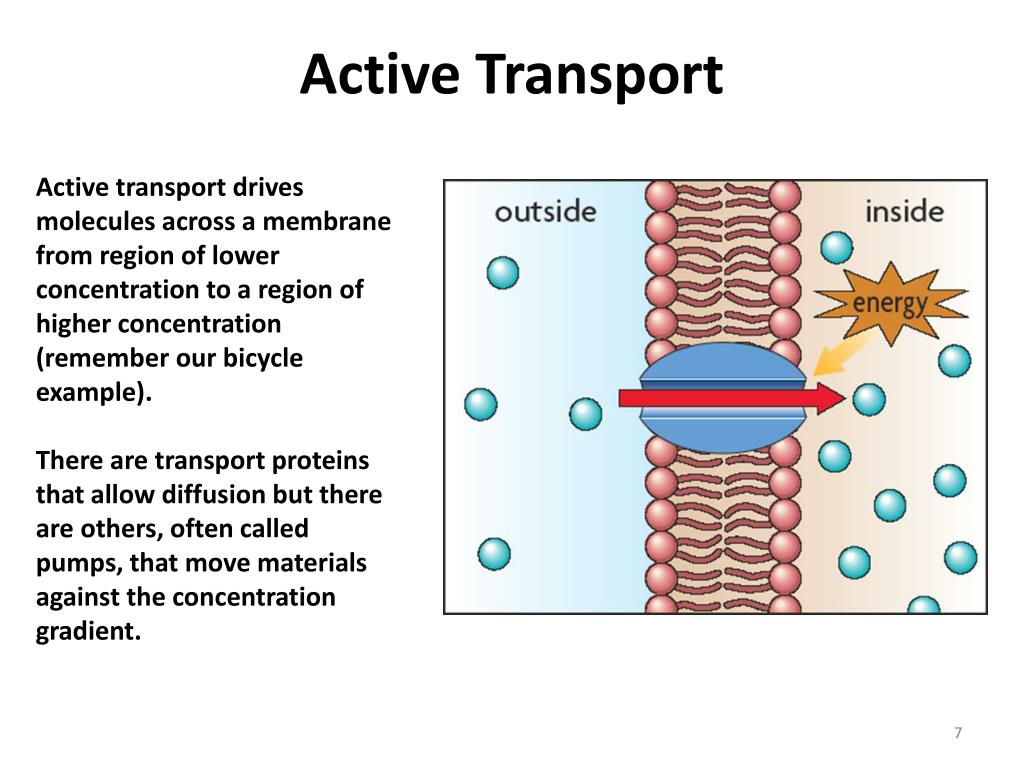
Active Transport Diagram
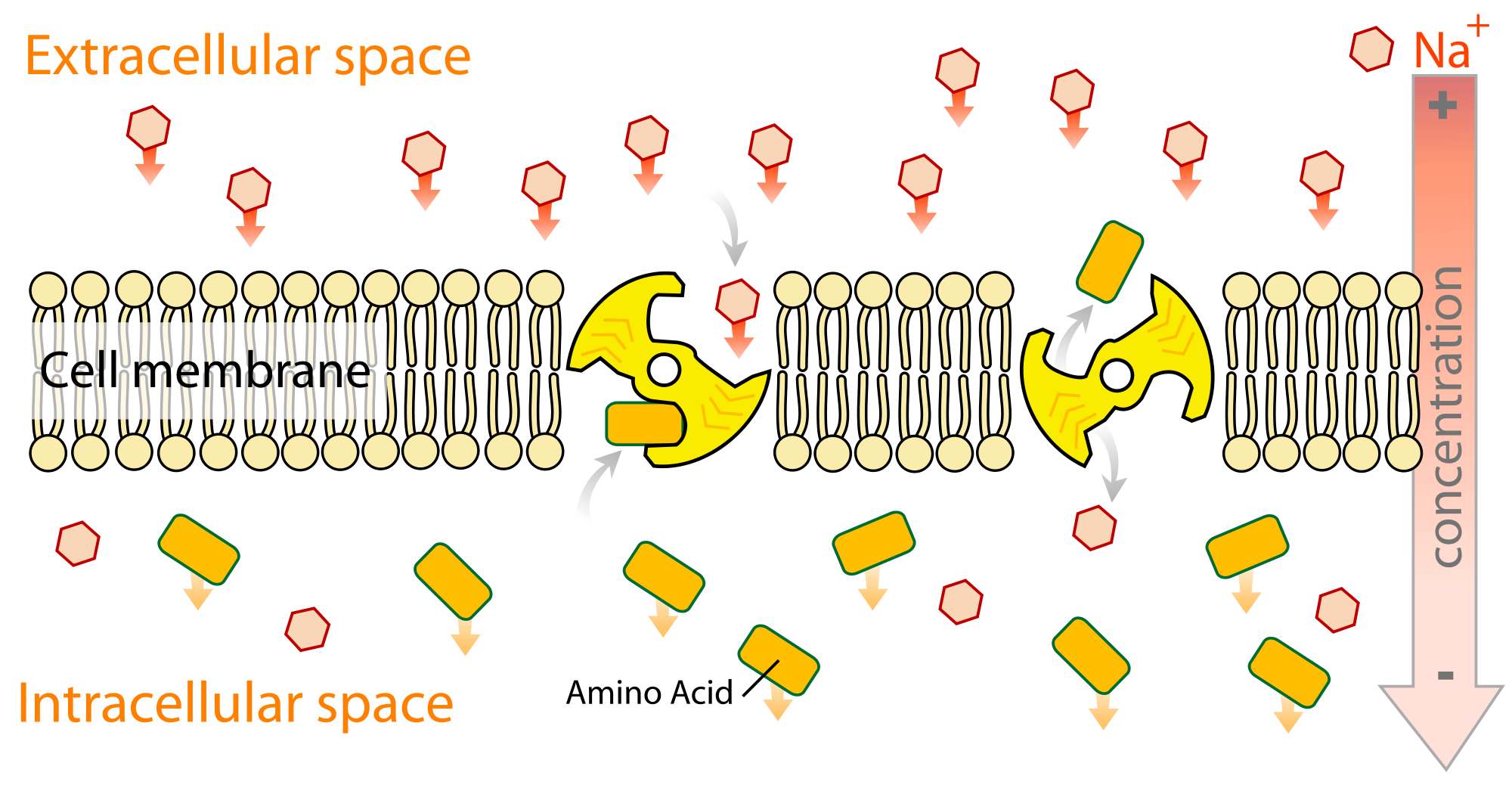
Process Of Active Transport In Root Hair Cells Plants Transport
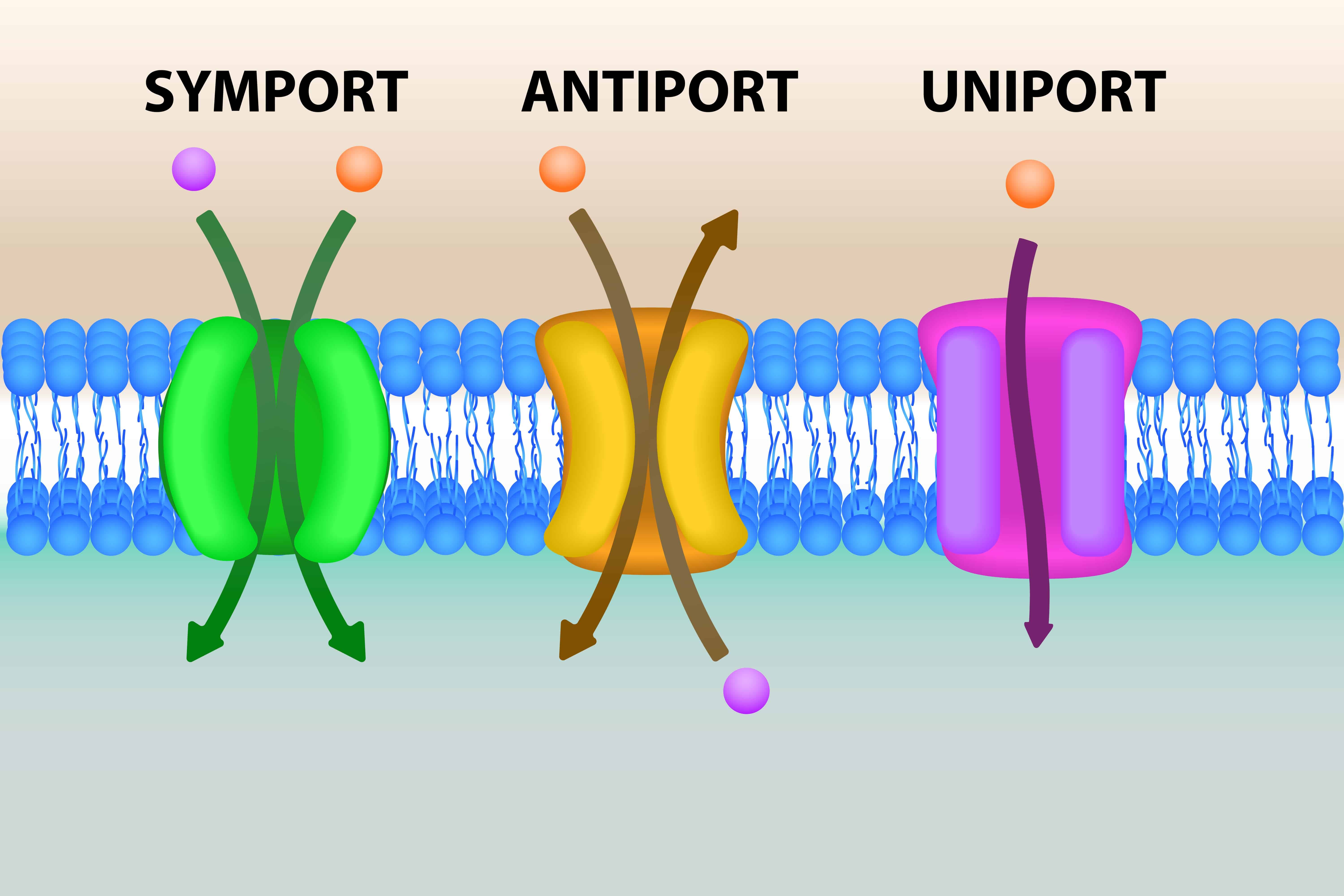
7 Different Types of Active Transport PopOptiq

Active Transport And Diffusion In Plants
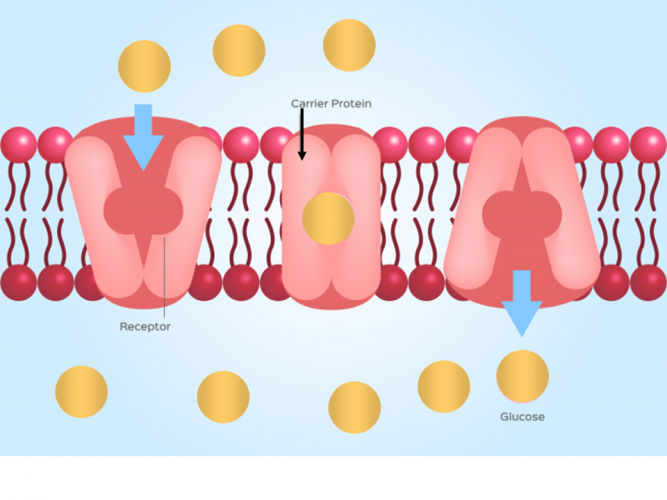
Explain How Cells Use Active Transport Worksheet EdPlace

Anatomy & Physiology Active Transport ditki medical & biological

Active Transport Across the Cell Membrane. Stock Vector Illustration
Web In Secondary Active Transport, The Movement Of A Driving Ion Down An Electrochemical Gradient Is Used To Drive The Uphill Transport Of Another Ion/Molecule Against A Concentration Or Electrochemical Gradient.
Web Primary Active Transport Moves Ions Across A Membrane And Creates A Difference In Charge Across That Membrane, Which Is Directly Dependent On Atp.
Secondary Active Transport Does Not Directly Require Atp:
Web “Active Transport Is Defined As A Process That Involves The Movement Of Molecules From A Region Of Lower Concentration To A Region Of Higher Concentration Against A Gradient Or An Obstacle With The Use Of External Energy.” During The Process Of Active Transport, A Protein Pump Makes Use Of Stored Energy In The Form Of Atp, To Move.
Related Post: